Iron Rich Plant Based Foods: How to Get Enough Iron Without Eating Meat
Jun 05, 2026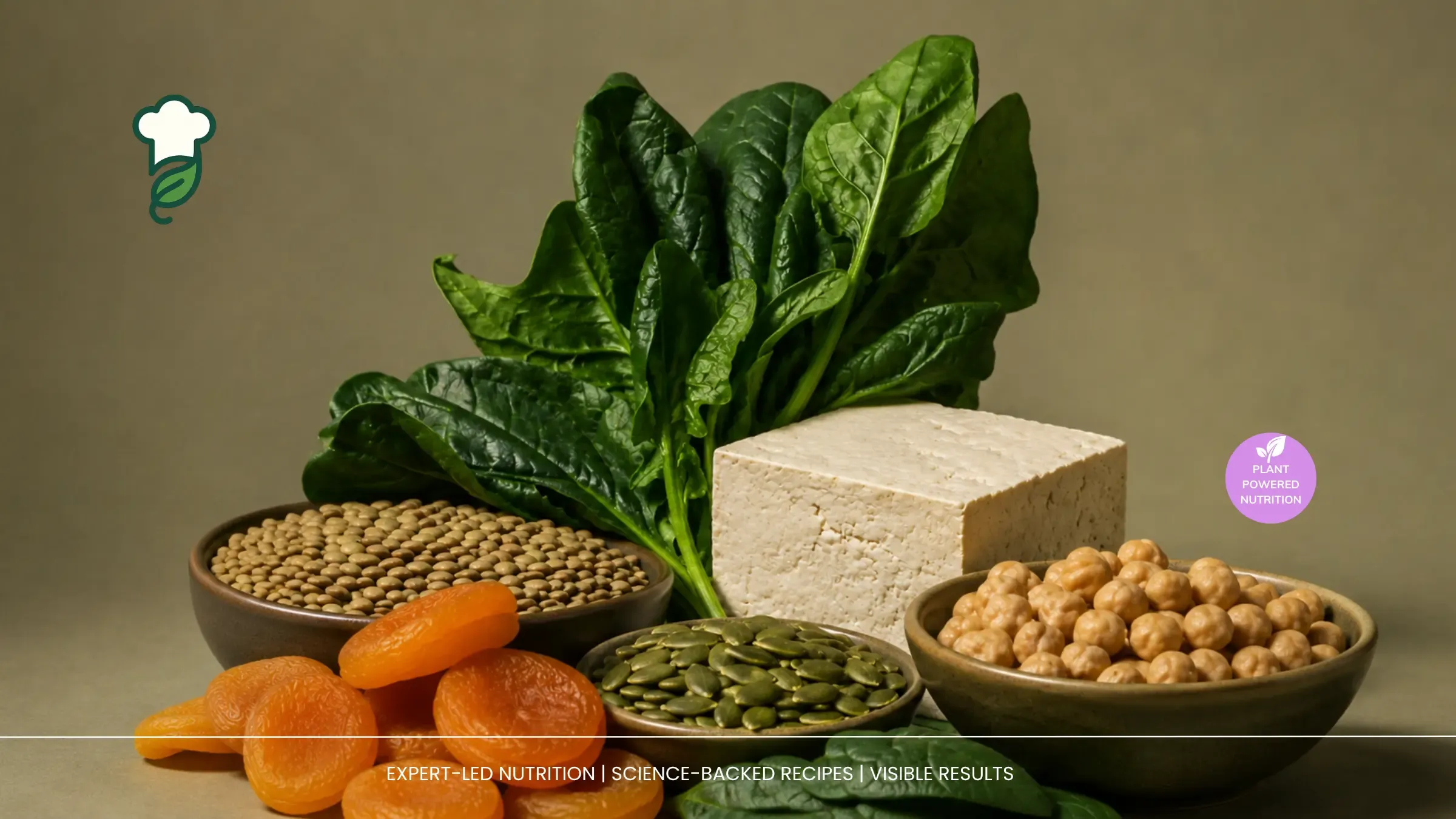
Putting It Into Practice
-
Spinach, lentils, soy & beans are great plant based sources of iron.
-
“Iron-rich” does not automatically mean “well absorbed”. Pairing them with vitamin C boosts iron absorption.
- Soaking, sprouting, and fermenting legumes and grains significantly increases iron uptake.
- A well planned vegan diet can fully support healthy iron levels without supplements.
Iron Rich Plant Based Foods: How to Get Enough Iron on a Vegan Diet
Getting enough iron on a plant based diet is completely achievable. The key is knowing which plant foods deliver the most iron, and how to eat them so your body actually absorbs it.
Why Iron Matters for Your Body
Iron is one of the most essential minerals for overall health. It plays a central role in oxygen transport, helping red blood cells carry oxygen from your lungs to every organ and tissue.
Without enough iron, energy production becomes less efficient, focus drops, and the body struggles to perform basic functions.1
What Happens When Iron Levels Are Low
Iron deficiency is the most common nutritional deficiency worldwide. When iron intake falls too low for too long, the body cannot build enough healthy red blood cells.2
Understanding Iron Deficiency Anemia
Iron deficiency anemia develops when iron stores are depleted enough to impair red blood cell production. Symptoms include fatigue, weakness, dizziness, headaches, and reduced exercise tolerance. Pregnant women, people with heavy menstrual cycles, and those on a vegan diet face a higher risk.3
Why Plant Based Eaters Need More Iron
Not all iron is the same and you might have heard of vegan iron deficiency. Heme iron comes from animal products and is absorbed at a rate of roughly 15 to 35 percent. Non-heme iron, found in plant based foods, is absorbed at 2 to 20 percent depending on what else you eat.4 Vegetarians are often advised to consume about 1.8× the standard iron RDA because of lower average bioavailability in plant sources.1 Long-term vegetarians, however, often absorb non-heme iron more efficiently.
Iron is one of a handful of nutrients worth planning around, alongside the others covered in our guide to what a plant based diet does for your body.
Other Factors That Might Affect Iron Absorption
Beyond the foods themselves, your body’s own regulation also influences how much iron you absorb. Iron absorption is regulated by hepcidin, a hormone produced by the liver. Elevated hepcidin during inflammation or after high-dose iron supplements reduces absorption.
The Best Iron Rich Plant Based Foods
These plant based sources cover the full spectrum of iron rich foods available without animal foods.
Legumes: The Highest Iron Content Per Cup
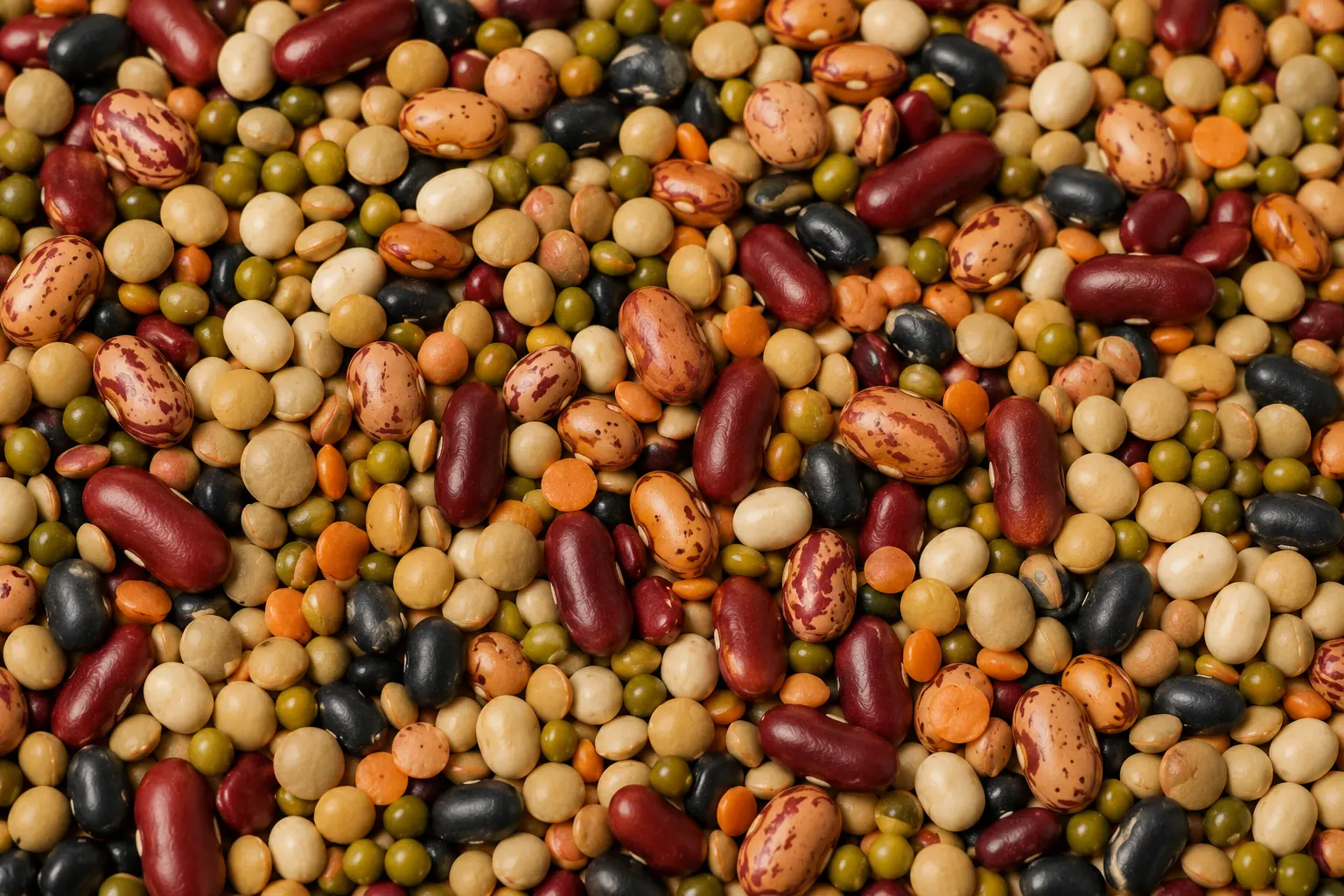
Lentils, chickpeas, kidney beans, and white beans are among the most iron-dense plant based foods available. A single bowl of any of these covers roughly 26 to 44 percent of the adult female RDA in one meal.
- White beans: approximately 8 mg per cooked cup (44% of the adult female RDA)5
- Red lentils: approximately 6.6 mg of iron per cooked cup (37% of the adult female RDA)5
- Kidney beans: approximately 5.2 mg per cooked cup (29% of the adult female RDA)5
- Chickpeas: approximately 4.7 mg per cooked cup (26% of the adult female RDA)5
Tofu and Tempeh
Tofu and tempeh are high protein plant based staples that are naturally high in iron. Firm tofu provides approximately 6.8 mg per cooked cup (38% of the adult female RDA). Tempeh delivers approximately 4.7 mg per cooked cup (26% of the adult female RDA). A stir fry with a cup of tofu and leafy greens gets you more than halfway to the adult female RDA.5
Leafy Greens and Green Leafy Vegetables
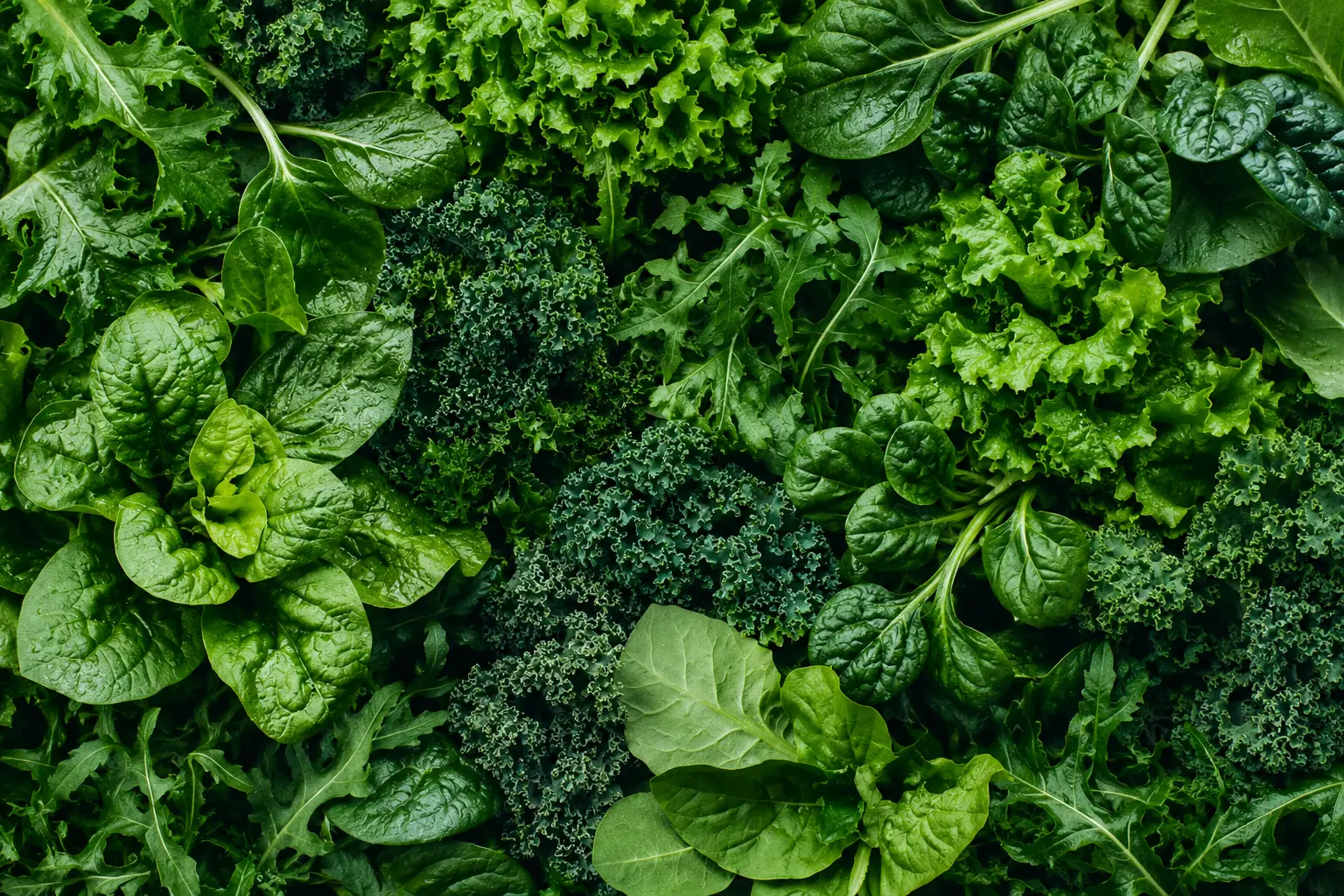
Spinach is rich in iron. Cooked spinach provides approximately 6.4 mg of iron per cooked cup (36% of the adult female RDA). Cooked greens pack far more iron than raw: a handful of raw spinach cooks down to about a quarter cup, so use more of it.
Although spinach contains substantial iron, its high oxalate content limits absorption, so including lower-oxalate greens such as kale, Swiss chard, collard or bok choy can help improve overall iron bioavailability. 5
Pumpkin Seeds and Other Nuts and Seeds
Pumpkin seeds offer approximately 2.5 mg of iron per quarter cup (14% of the adult female RDA), which is roughly a small handful. Sesame seeds deliver approximately 5.25 mg per quarter cup (29% of the adult female RDA), or about 1.3 mg per tablespoon (7% of the adult female RDA). A tablespoon sprinkled over a salad or grain bowl adds a small but consistent daily boost.5 Chia seeds and cashews also contribute meaningful amounts.
Whole Grains and Fortified Cereals
Quinoa provides about 2.8 mg of iron per cooked cup (16% of the adult female RDA), which is a standard side dish portion.5 Fortified cereals are one of the fastest ways to hit a significant portion of daily iron in one meal, with some delivering between 4.5 and 18 mg per serving (25% to 100% of the adult female RDA). Check the label, since iron content varies significantly by brand.1
Dried Apricots and Other Dried Fruits
Dried apricots provide approximately 1.7 mg of iron per half cup (9% of the adult female RDA), or about 3.5 mg per full cup (19% of the adult female RDA).6 That makes them a useful contributor rather than a primary source, and an easy iron rich snack to keep on hand, especially mid-afternoon when a handful takes seconds to eat. Pair them with a vitamin C source to get more out of the iron they do provide.
Sweet Potatoes and Other Vegetables
Sweet potatoes contribute modest amounts of iron, while tomatoes and especially bell peppers primarily improve iron absorption by supplying vitamin C. A medium bell pepper delivers more than 100% of the 75 mg adult female RDA for vitamin C, which makes it one of the most practical iron absorption tools you can add to any meal.
Nutritional Yeast
Nutritional yeast is a plant based staple that supports iron intake while adding a savory flavor to meals. Two tablespoons sprinkled over pasta, popcorn, or roasted vegetables add iron without any extra cooking. Iron content varies by brand, so check the label.
How to Maximize Iron Absorption on a Plant Based Diet
Knowing which foods are iron rich is only half the picture. How you combine and prepare them determines how much iron your body actually uses.
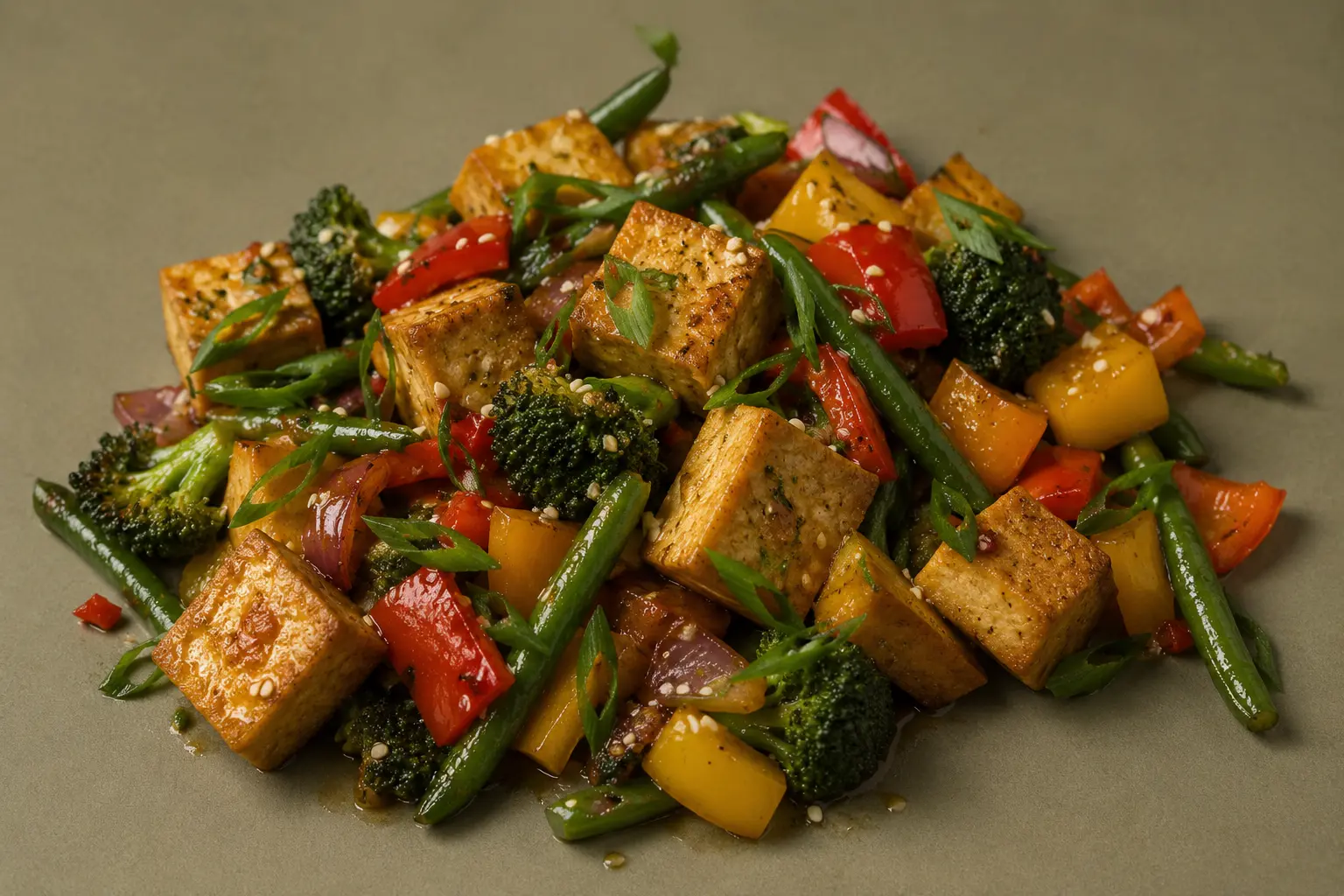
Vitamin C is one of the most effective enhancers of non-heme iron absorption.
Vitamin C converts non-heme iron into a form the body absorbs more readily.8 Pairing vitamin C rich foods with iron rich foods at the same meal can significantly increase iron uptake. The best vitamin C sources to combine with iron rich meals include:
- Citrus fruits
- Bell peppers
- Kiwi
- Strawberries
- Broccoli
Vitamin C does not need to be consumed in supplement form. A squeeze of lemon over lentils or a side of bell peppers with tofu delivers measurable results. Whole-food vitamin C sources are usually sufficient for meal pairing.
Foods That Inhibit Iron Absorption
Several common foods and drinks inhibit iron absorption when consumed alongside iron rich meals.4
Coffee and Tea
The polyphenols in coffee and tea bind non-heme iron in the gut and form compounds the body cannot absorb.4 How much they matter depends on the drink. In a dual-isotope study in adults, a cup of coffee reduced iron absorption from a test meal by 39 percent, while tea reduced it by 64 percent.9 A separate study of polyphenol-containing beverages taken with a bread meal found black tea cutting non-heme iron absorption by 79 to 94 percent compared with water, with herbal teas and cocoa landing in between.7
Timing turns out to matter as much as the drink itself. In the coffee study, drinking coffee an hour before a meal had no measurable effect on iron absorption, while drinking it an hour after inhibited absorption just as much as drinking it alongside the food.9 If you want your coffee near an iron rich meal, have it beforehand rather than after.
Green tea and matcha inhibit iron absorption as well, but it is worth being precise about why. Trials on isolated EGCG, the catechin matcha is best known for, found a much weaker effect on non-heme iron than whole black tea produces, and no health-relevant impact at supplement-level doses in people with normal iron stores.10 The inhibition comes from the full mix of polyphenols in the brewed drink, not from EGCG alone.
Calcium Rich Foods and Supplements
Calcium supplements taken with food reduce absorption of both dietary non-heme iron and iron supplements. In one controlled study, calcium citrate and calcium phosphate cut iron absorption by 49 and 62 percent respectively at higher doses.11 Calcium rich foods and fortified dairy alternatives are best timed away from your highest-iron plant based meals.
Phytic Acid in Grains and Legumes
Phytates found in grains and legumes bind to iron and reduce its absorption. Soaking, fermenting, or sprouting these foods before cooking reduces phytate content and improves the bioavailability of iron from plant foods, which is exactly why these techniques show up across traditional cuisines.12
Cooking With Cast Iron to Increase Iron Content
Cooking with cast iron cookware is an underrated strategy for increasing iron intake. When researchers cooked twenty foods in iron and non-iron pans, 90 percent of them contained significantly more iron from the iron cookware, with acidity, moisture, and cooking time driving how much transferred.13 A long-simmered tomato sauce picks up far more than a quickly cooked pancake.
How Much Iron Do Plant Based Eaters Actually Need
Daily iron requirements vary by age, sex, and life stage. Adult men need approximately 8 mg per day. Adult women under 50 need approximately 18 mg per day. Pregnant women require approximately 27 mg per day.1
Meeting Daily Iron Needs on a Plant Based Diet
A well planned vegan diet built around legumes, leafy greens, seeds, and whole grains can meet daily iron needs without supplementation. The Academy of Nutrition and Dietetics holds that, in adults, appropriately planned vegetarian and vegan dietary patterns can be nutritionally adequate, provided attention is paid to the nutrients, iron among them, that need deliberate planning.14
When to Consider Iron Supplements
If blood tests confirm low iron or iron deficiency anemia, iron supplements may be necessary short term. However, excess iron carries its own risks. Iron supplements should only be taken based on confirmed lab results and guidance from a healthcare provider. Food first strategies are generally optimal for prevention.
Building a Plant Based Meal Plan Around Iron
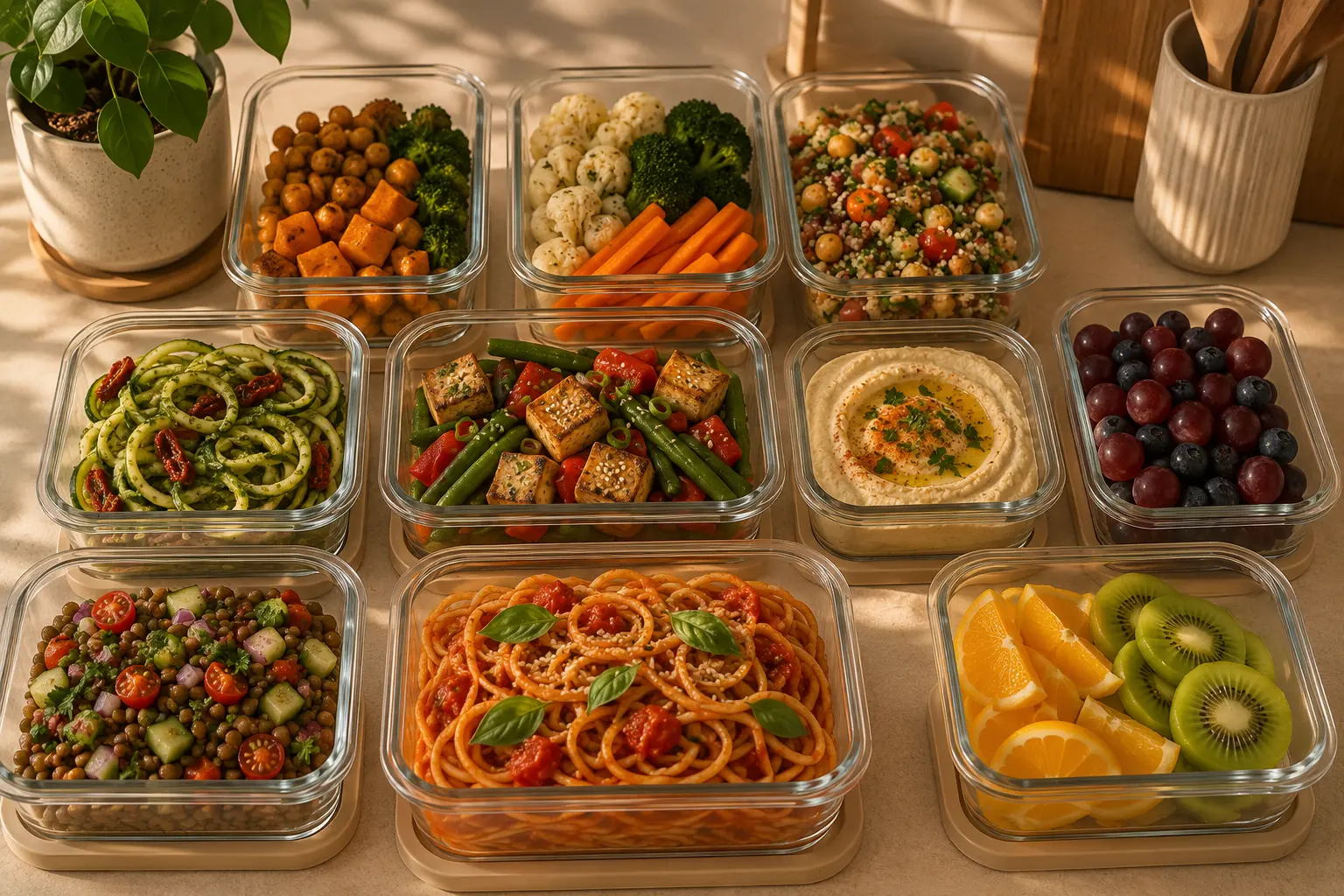
The goal is not to obsess over iron content at every meal. It is to build habits that consistently pair vitamin C with non-heme iron sources and minimize inhibitors at peak iron meals.
Examples of iron-rich vegan meals:
- Breakfast: quinoa porridge with strawberries, chia and pumpkin seeds
- Lunch: lentil soup with bell peppers and lemon juice
- Dinner: tofu stir fry with leafy greens and a citrus dressing
- Snacks: dried apricots, or a small handful of cashews
Every one of these meals pairs vitamin C with a plant based iron source. That consistency is what maintains healthy iron levels over time. To keep these ingredients on hand week to week, our complete vegan grocery list covers every category worth stocking.
Ready to Build These Meals Without the Guesswork?
Become Your Own Healthiest Chef teaches you how to pair, prep, and cook for maximum nutrient absorption, iron included, in 2 hours per week.
Start the Course →Quick Recap
A well-planned plant-based diet can fully support healthy iron intake when it emphasizes legumes, soy foods, seeds, whole grains and leafy greens. Combining with vitamin C-rich foods can improve absorption. Sprouting, fermenting and soaking is an easy way to increase iron intake from the foods. Spacing coffee and tea away from meals protects iron absorption. People with heavy menstrual bleeding, pregnancy, anemia symptoms, or low ferritin should do blood tests and follow clinician guidance on supplementation.
About Healthiest Chef
Healthiest Chef is a premium nutrition education platform helping health-conscious millennials stay young longer through delicious, science-backed plant based food. Built with 13 world-class experts including Dan Buettner (Blue Zones) and Dr. Emeran Mayer (UCLA), the platform turns the latest nutritional science into beginner-friendly meals anyone can cook in 20 minutes a day.
Curious how much toxic load is already hiding in your kitchen? Take the free Toxic Load Quiz to find out.
Not Ready to Commit? Start Here Instead.
Take the free Non-Toxic Living Masterclass and get your first step toward eating and living better, on your terms.
Get the Free Masterclass →Frequently Asked Questions
Can you get enough iron on a vegan diet? +
What are the best iron rich plant based foods? +
Can vegans become iron deficient? +
Should vegans take an iron supplement? +
References
Last reviewed 28 July 2026.
- National Institutes of Health, Office of Dietary Supplements. “Iron: Fact Sheet for Health Professionals.” ods.od.nih.gov
- World Health Organization. “Anaemia.” WHO Fact Sheet. who.int
- Warner MJ, Kamran MT. “Iron Deficiency Anemia.” StatPearls, NCBI Bookshelf. NBK448065
- Abbaspour N, Hurrell R, Kelishadi R. “Review on iron and its importance for human health.” Journal of Research in Medical Sciences, 2014;19(2):164–174. PMC3999603
- U.S. Department of Agriculture, National Agricultural Library. “Iron Content of Selected Foods.” Nutrient data drawn from USDA FoodData Central. nal.usda.gov
- U.S. Department of Agriculture, Agricultural Research Service. “Apricots, dried, sulfured, uncooked.” FoodData Central, FDC ID 173941. fdc.nal.usda.gov
- Hurrell RF, Reddy M, Cook JD. “Inhibition of non-haem iron absorption in man by polyphenolic-containing beverages.” British Journal of Nutrition, 1999;81(4):289–295. Cambridge Core
- Lynch SR, Cook JD. “Interaction of vitamin C and iron.” Annals of the New York Academy of Sciences, 1980;355:32–44. PMID 6940487
- Morck TA, Lynch SR, Cook JD. “Inhibition of food iron absorption by coffee.” American Journal of Clinical Nutrition, 1983;37(3):416–420. PMID 6402915
- Ullmann U, et al. “Epigallocatechin gallate (EGCG) (TEAVIGO) does not impair nonhaem-iron absorption in man.” Phytomedicine, 2005. ScienceDirect
- Cook JD, Dassenko SA, Whittaker P. “Calcium supplementation: effect on iron absorption.” American Journal of Clinical Nutrition, 1991;53(1):106–111. PMID 1984334
- Gibson RS, Perlas L, Hotz C. “Improving the bioavailability of nutrients in plant foods at the household level.” Proceedings of the Nutrition Society, 2006;65(2):160–168. doi.org/10.1079/PNS2006489
- Brittin HC, Nossaman CE. “Iron content of food cooked in iron utensils.” Journal of the American Dietetic Association, 1986;86(7):897–901. jandonline.org
- Raj S, Guest NS, Landry MJ, Mangels AR, Pawlak R, Rozga M. “Vegetarian Dietary Patterns for Adults: A Position Paper of the Academy of Nutrition and Dietetics.” Journal of the Academy of Nutrition and Dietetics, 2025. doi:10.1016/j.jand.2025.02.002. jandonline.org
MEET THE AUTHORS

Natalie Golba
Natalie Golba, co-founder of Healthiest Chef, serves as the platform’s lead nutrition and culinary authority. A celebrity chef and certified nutrition educator, Natalie has cooked for NBA professionals and elite athletes, contributed recipes to the Blue Zones Cookbook, and earned advanced nutrition credentials from Harvard Medical School, Stanford University School of Medicine, and Cornell University.



Irina Swan
Irina Swan is a wellness entrepreneur and co-founder of Healthiest Chef with more than 12 years of experience building consumer health products. After overcoming a decade-long struggle with chronic gut health issues through nutrition and lifestyle interventions, she co-founded Healthiest Chef to help make science-backed nutrition accessible and actionable for everyday people.
The newsletter
Never miss an article like this one
Evidence-based nutrition, non-toxic living, and chef-tested recipes, delivered as we publish them.
No spam, ever. Unsubscribe anytime.