
Non-Toxic Living: A Guide to Reducing Everyday Chemical Exposure
Sep 05, 2026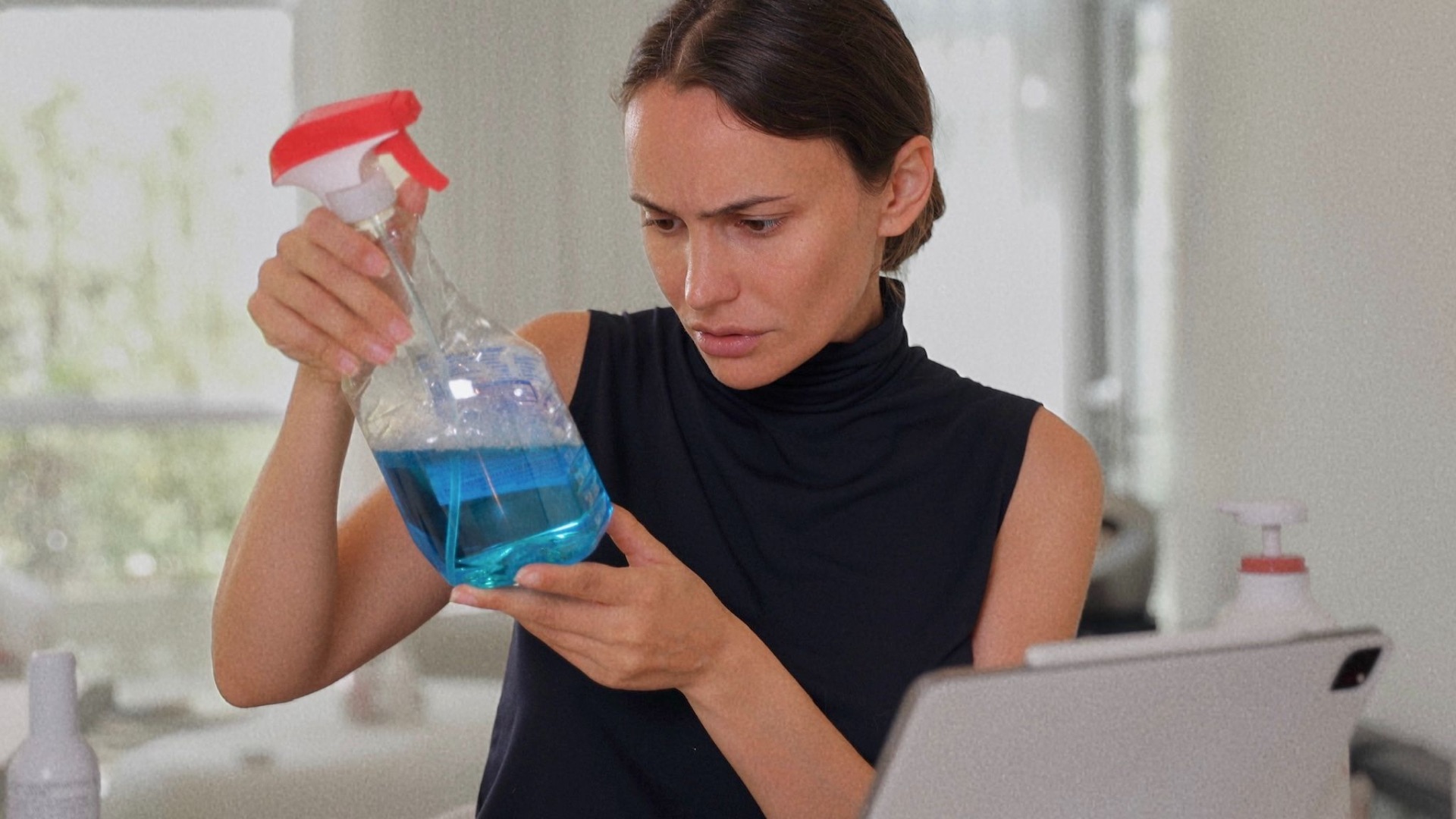
You eat reasonably well. You exercise when you can. Your labs come back "normal." And yet you wake up tired, become lethargic after lunch, and can't shake the brain fog or the stubborn weight that won't budge.
If that sounds familiar, there's a piece of the wellness puzzle most people never look at: the toxic exposure hiding in everyday life. The food you eat. Your morning shower. The lotion on your nightstand.
The good news? A non-toxic lifestyle isn't about fear or perfection. Transitioning to toxin-free living can feel overwhelming at first, but it comes down to small, sustainable swaps: understanding where meaningful exposures come from, then switching to safer alternatives one category at a time. Reducing cumulative exposure to everyday chemicals is achievable, and small swaps made consistently are what make the biggest impact. Here's your practical, room-by-room guide.
What Matters Most
- Non-toxic living means reducing cumulative toxic exposure through small, consistent swaps toward safer alternatives, one category at a time. Consistency makes the biggest impact.
- Water is the easiest first fix: a reverse osmosis or carbon block filter for drinking and cooking, plus a shower filter.
- Swap plastic for glass and wood, and non-stick cookware for stainless steel and cast iron.
- Cooking whole foods at home beats takeout for exposure reduction; organic produce lowers pesticide exposure further.
- Create a healthier home: shoes off at the door, HEPA purifier, fresh air while cooking and cleaning, no synthetic air fresheners, humidity at 30 to 50%.
- Vinegar, baking soda, and mild soap handle most cleaning; watch for greenwashing and harmful ingredients on home and beauty labels, and verify with the EWG app.
- Your body detoxes daily through six natural pathways; feed them cruciferous vegetables, citrus, leafy greens, and glutathione-supporting foods.
- Want a done-for-you starting point? The Ultimate Body Reset is a 7-day, doctor-designed, chef-crafted detox built around exactly these foods.
Why Harmful Chemicals Pose Long-Term Health Risks
Most people are exposed to more man-made chemicals than any generation before us, from household products to food to the wider environment. Individually, most exposures are small. The concern is the cumulative effect of dozens of small exposures, repeated daily for decades. Over time, research has linked that buildup to serious health issues, including hormone imbalance, gut dysfunction, and certain cancers, and in many cases the people most sensitive to these health risks are the ones we most want to protect: our loved ones, especially children.
Some of these toxic chemicals are endocrine disruptors, compounds studied for their role in hormone disruption, interfering with the signals that regulate metabolism, appetite, energy, and stress.1 A subset, called obesogens, have been studied for their role in weight regulation, which may help explain why some people can't lose weight despite eating well and exercising. Many of the same changes that lower chemical exposure, like eating more whole foods, are also associated with improved digestion and reduced inflammation.
Perhaps the starkest signal of what cumulative exposure may be doing: global sperm counts have declined by more than 50% over the past five decades, and the decline is accelerating.2 Researchers investigating this fertility crisis point to endocrine-disrupting chemicals like phthalates as leading suspects, and microplastics have now been detected in human blood, semen, breast milk, placenta, and reproductive tissue. The science on causation is still developing, but reproductive health has become one of the clearest reasons scientists urge reducing everyday chemical exposure.
And here's the hope: your body is remarkably good at eliminating these compounds through six built-in detoxification pathways: your liver, kidneys, gut, skin, lungs, and lymphatic system. Non-toxic living is a two-part strategy: reduce what's coming in, and support your body's natural elimination pathways through food and lifestyle. Let's walk through it room by room.
Drinking Water: The Easiest First Fix
Water touches your life constantly: you drink it, cook with it, and bathe in it every day, so one upgrade here quietly improves hundreds of moments a month.
Drinking water can contain toxic contaminants like PFAS ("forever chemicals" that accumulate in the body), heavy metals like lead and arsenic from aging pipes, chlorine byproducts, and even trace pharmaceuticals that conventional treatment doesn't fully remove.
What to do: A high-quality water filter can significantly reduce toxins in drinking water. Look for a certified carbon block or reverse osmosis system (gravity-fed options like Berkey are a popular countertop choice), and use filtered water for cooking too. Don't forget the shower: research from the University of Birmingham confirmed that chemicals including PFAS can be absorbed through the skin,3 and shower steam turns chlorine into vapor. A shower filter costs about as much as a dinner out and protects your skin daily.
Non-Toxic Kitchen Swaps With the Biggest Impact
The kitchen is often the biggest source of plastic and non-stick chemical exposure in the home, which makes it the easiest place to win. Be cautious with plastic anywhere it touches food preparation or storage: plastics can contain BPA and phthalates, both studied for endocrine disruption, and food stored in plastic containers may leach harmful chemicals when heated. A plastic cutting board alone sheds microplastics into food as knife marks accumulate. Non-stick cookware can expose you to PFOA and PFAS, especially when scratched or overheated.
The non-toxic alternatives, item by item:
| Item | Swap out | Swap in |
|---|---|---|
| Cutting boards | Plastic | Solid wood |
| Pots and pans | Non-stick coatings | Stainless steel, cast iron, or 100% ceramic |
| Utensils | Plastic and nylon | Wooden spoons |
| Food storage | Plastic containers and bags | Glass jars and containers; food-grade silicone bags on the go |
| Water bottles | Plastic | Glass or stainless steel |
| Kitchen towels | Synthetic microfiber | Natural fibers like organic cotton |
Replace items as they wear out; you don't need to buy everything at once.
You eat 3-4 meals, and drink 8-10 cups of water a day. Change what they touch, and you've changed hundreds of exposures a month with a one-time effort.
Eat Lower on the Toxin Ladder
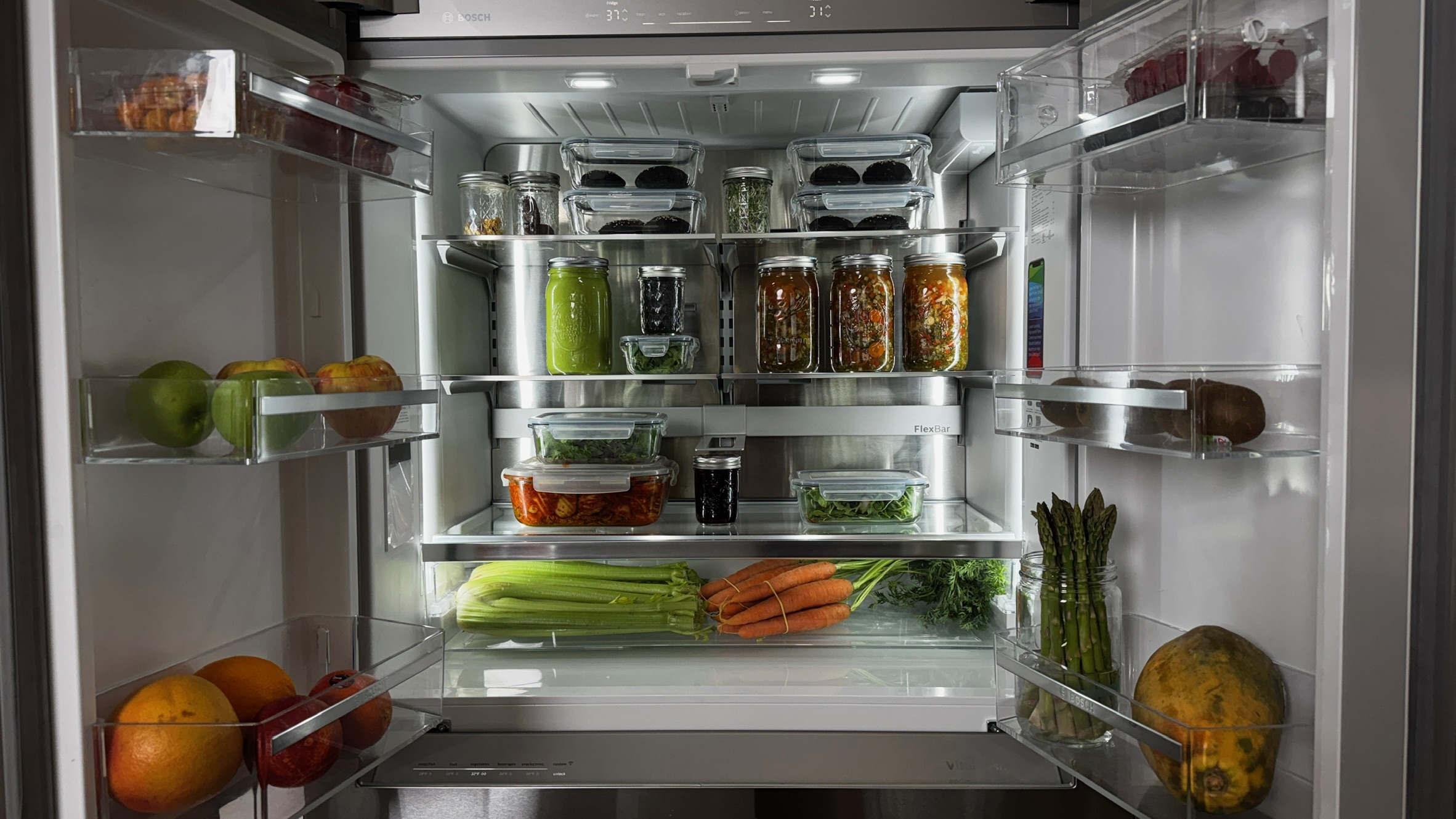
One habit does more heavy lifting than any other here: cooking your own meals at home. Ready-to-eat meals and takeout stack multiple exposures at once: conventionally grown ingredients, unfiltered tap water, non-stick cookware, and hot food in plastic packaging. Cooking whole foods at home puts ingredients, water, cookware, and packaging under your control all at once, and it tends to save money too.
Also worth knowing: ultra-processed foods rely on preservatives and additives for their shelf life. Eating organic fruits and vegetables lowers pesticide exposure, which research has linked to gut microbiome disruption, one way small daily exposures snowball into bigger health issues.
Animal products can concentrate antibiotics and hormones, and large predatory fish accumulate mercury. Persistent pollutants like dioxins and PCBs build up in animal fat. According to the WHO, more than 90% of human dioxin exposure comes from food: mainly meat, dairy, fish and shellfish.
What to do: Cook at home more often than not. Prioritize organic for the produce you eat most (the EWG's "Dirty Dozen" list shows where it makes the biggest difference4). None of this requires chef skills, just a few reliable recipes on repeat. Our complete vegan grocery list covers the staples worth keeping on hand, and our guide to the healthiest cooking oils covers which ones hold up to high heat. To lower toxic exposure, you can also reduce the consumption of meat and dairy products - here you can read how can get enough protein and iron from plant-based foods.
A Healthier Home: Air Fresheners, Dust, and Household Products
We breathe roughly 11,000 liters of air a day, and according to the EPA, indoor air is often two to five times more polluted than outdoor air,5 thanks to synthetic building materials, household products, scented candles, and dust. Volatile organic compounds (VOCs) from furnishings and cleaners get trapped indoors by modern insulation, and researchers estimate air pollution contributes to roughly 100,000 deaths per year in the U.S.6 Easy ways to create a healthier home:
- Remove shoes at the door. Shoes track in pesticides and road residue.
- Run a HEPA air purifier to capture dust and fine particulate matter.
- Ventilate strategically. Open windows for fresh air while cooking and cleaning, and always during renovations, when VOC levels spike.
- Skip synthetic air fresheners, which release harmful chemicals like benzene and toluene.
- Keep humidity at 30 to 50% (the EPA's recommendation) to prevent mold.7
- Dust with a damp cloth. Household dust carries settled chemicals.
And check your clothes. Synthetic fabrics are a bigger deal than most people realize: an IUCN analysis by Boucher and Friot estimates that about 35% of the primary microplastics released into the world's oceans come from washing synthetic textiles, making laundry the single largest source.8 Polyester, nylon, and rayon shed microplastics with every wash and wear; "wrinkle-free" bedding is often treated with formaldehyde-based resins; and PFAS have been found in water-resistant garments and even some period underwear brands. Pay special attention to what sits against your skin longest and closest: underwear, socks, sleepwear, and sheets. Choose organic cotton underwear and natural fibers like linen, Tencel, and bamboo when replacing everyday basics. GOTS-certified organic textiles also reduce exposure to chemical flame retardants. Start with your sheets and your underwear drawer.
Cleaning Supplies: Why Baking Soda Beats Conventional Cleaning Products
Many conventional cleaners are mostly water plus synthetic fragrances and harsh agents that release VOCs into your air. Swapping the cleaning cabinet is one of the fastest exposure reductions available, which is why many people start transitioning by removing toxic cleaning products first.
Basic ingredients like white vinegar and baking soda are safe, effective non-toxic cleaners you can use to create simple DIY solutions for most jobs, and mild soap and water can replace harsher agents on routine surfaces; disinfectants aren't necessary for everyday cleaning. When buying, look for the EPA Safer Choice label9 or non-toxic brands like Branch Basics and Dr. Bronner's, check labels to avoid harmful chemical mixtures, and use integrated pest management (sealing entry points, removing food sources) instead of routine pesticides.
Free Masterclass
Non-Toxic Living Made Simple
Want to know exactly which products in your kitchen, bathroom, and cleaning cabinet are worth swapping first? The free masterclass walks you through the hidden exposures room by room, and includes our Non-Toxic Living Guide: a curated, clickable list of the exact products and brands we use and trust, from water filters to toothpaste.
Get Instant Access →Non-Toxic Products and Personal Care: Avoiding Harmful Ingredients
Your skin is your largest organ, and much of what you apply gets absorbed. Conventional personal care products are one of the most direct daily exposure routes, and here's what few consumers realize: the beauty industry is largely self-regulated, with no required independent safety testing before products reach the market. Several common ingredients have been flagged in research as potential cancer risk factors.
Watch out for greenwashing, the misleading marketing that makes home products and beauty products seem healthier than they are. "Natural" and "pure" are unregulated words, fragrance claims can legally hide dozens of ingredients, and many companies prioritize profit over consumer health. Educate yourself on the short list below, audit the products you own, and use tools like the EWG app to evaluate product safety.10
Harmful ingredients to avoid: parabens (estrogen-mimicking preservatives), sulfates like SLS (strip skin's barrier), triclosan (flagged for hormone effects), "fragrance" (a catch-all hiding phthalates; going fragrance-free is the fastest single fix), and retinyl palmitate in daytime products (increases sun sensitivity).
Products to check first: toothpaste, deodorant, shampoo and body wash, hand soap, sunscreen (choose mineral formulas), makeup and skincare, unbleached toilet paper, and organic cotton pads and tampons.
What to do: Don't overhaul everything overnight; that's how it starts to feel overwhelming. Focus on one category at a time and start transitioning as products run out. Safer products now exist in every category, often at comparable prices.
Avoid Fragrances
If you make only one change to your personal care and household products, make it this: go fragrance-free. On an ingredient label, the word "fragrance" is a legally protected catch-all that can conceal dozens of undisclosed chemicals, including phthalates, which have been studied for their role in hormone disruption. Because companies aren't required to reveal what's inside a scent, you can't evaluate it, and it shows up everywhere: shampoo, lotion, laundry detergent, candles, air fresheners, and cleaning sprays.
And, yes, perfumes fall into this category as well. The vast majority of commercial perfumes are built on synthetic aroma chemicals, typically dozens to hundreds of compounds, undisclosed under the "fragrance" umbrella, often with phthalates as fixatives.
Natural alternatives exist: perfumes made from essential oils, absolutes, and botanical extracts, plus a growing "clean fragrance" category that fully discloses its ingredients.
Support Your Body's Built-In Detox System
Here's the part most "detox" conversations skip: your body detoxifies itself every day. The goal isn't a dramatic cleanse; it's giving your six elimination pathways the raw materials to work well. Your liver, the hardest-working detox organ, depends on nutrients you can plate tonight: vitamin C-rich citrus, cruciferous vegetables like broccoli, glutathione-supporting foods like avocado, asparagus, and ginger (glutathione, the body's "master antioxidant," gets depleted by stress and chemical exposure), magnesium-rich pumpkin seeds and cacao, B vitamins from whole grains and leafy greens, and omega-3s from walnuts and flax.
This isn't a restrictive protocol; it's genuinely delicious whole foods, chosen intentionally. Juice cleanses may have their place, but lasting results come from consistently eating to support your body's own chemistry while reducing what it has to process.
The Bottom Line
You don't need to overhaul your life this weekend. Pick one category (your water, your food containers, your shampoo) and make one swap toward a safer product. Then another. Non-toxic living compounds quietly: every filtered glass of water, every glass container, every home-cooked meal is a deposit in your long-term energy, focus, and health, and a difference your whole family benefits from. That's the hope at the heart of all this: none of it is out of your control.
Your body already knows how to take care of you. Your job is simply to get out of its way, one smart swap at a time.
Ready for a reset?
Give your detox pathways a 7-day head start.
The Ultimate Body Reset is a doctor-designed, chef-crafted 7-day detox: 11 gourmet plant-based meals, 3 powerhouse juices, and step-by-step videos, all done from your own kitchen.
Start the Detox →About Healthiest Chef
Understanding why a non-toxic lifestyle matters is the first step, but lasting change happens in the kitchen, where daily choices about ingredients, cookware, and cooking methods quietly shape your health and your family's for decades. That's where Healthiest Chef comes in. The Ultimate Body Reset is a 7-day professional detox designed by functional health doctor Dr. Stephanie Peacock and celebrity chef Natalie Golba, built on the principles in this article: 11 gourmet plant-based, gluten-free meals and 3 powerhouse juices, 39 plant types across the week, and the sulforaphane, glutathione, and cruciferous vegetables that support your body's own detox pathways. Every meal comes with a step-by-step video, so no cooking experience is needed, and it's done from home, no retreats or IVs required.
Curious how much toxic load is already hiding in your kitchen? Take the free Toxic Load Quiz to find out.
Want to go deeper?
Join the free Non-Toxic Living Masterclass.
A 30-minute walkthrough of hidden exposures in your kitchen, cleaning products, personal care, and clothing, plus a curated list of trusted non-toxic alternatives.
Get the Free Masterclass →Frequently Asked Questions
What are the most toxic things in an average home? +
How do I eat to minimize toxic exposures? +
Can your body detox on its own? +
References
Last reviewed 5 September 2026.
- National Institute of Environmental Health Sciences. Endocrine Disruptors. https://www.niehs.nih.gov/health/topics/agents/endocrine
- Levine H, Jørgensen N, Martino-Andrade A, et al. Temporal trends in sperm count: a systematic review and meta-regression analysis of samples collected globally in the 20th and 21st centuries. Human Reproduction Update. 2022;29(2):157–176 (51.6% decline in sperm concentration, 1973–2018). https://academic.oup.com/humupd/article/29/2/157/6824414
- Ragnarsdóttir O, Abou-Elwafa Abdallah M, Harrad S. Dermal bioavailability of perfluoroalkyl substances using in vitro 3D human skin equivalent models. Environment International. 2024;188. University of Birmingham. https://www.birmingham.ac.uk/news/2024/new-study-confirms-forever-chemicals-are-absorbed-through-human-skin-1
- Environmental Working Group. Dirty Dozen: EWG's Shopper's Guide to Pesticides in Produce. https://www.ewg.org/foodnews/dirty-dozen.php
- U.S. Environmental Protection Agency. The Inside Story: A Guide to Indoor Air Quality (indoor levels of common organic pollutants 2 to 5 times higher than outdoors). https://www.epa.gov/indoor-air-quality-iaq/inside-story-guide-indoor-air-quality
- Thakrar SK, et al. Reducing Mortality from Air Pollution in the United States by Targeting Specific Emission Sources. Environmental Science & Technology Letters. 2021 (exposure to air pollution associated with 100,000–200,000 U.S. deaths annually). https://pubs.acs.org/doi/10.1021/acs.estlett.0c00424
- U.S. Environmental Protection Agency. A Brief Guide to Mold, Moisture and Your Home (keep indoor humidity between 30 and 50%). https://www.epa.gov/mold/brief-guide-mold-moisture-and-your-home
- Boucher J, Friot D. Primary Microplastics in the Oceans: A Global Evaluation of Sources. IUCN. 2017 (synthetic textiles account for approximately 35% of primary microplastics released into the oceans). https://portals.iucn.org/library/node/46622
- U.S. Environmental Protection Agency. Safer Choice Program. https://www.epa.gov/saferchoice
- Environmental Working Group. Skin Deep Cosmetics Database. https://www.ewg.org/skindeep/
MEET THE AUTHORS

Natalie Golba
Natalie Golba, co-founder of Healthiest Chef, serves as the platform’s lead nutrition and culinary authority. A celebrity chef and certified nutrition educator, Natalie has cooked for NBA professionals and elite athletes, contributed recipes to the Blue Zones Cookbook, and earned advanced nutrition credentials from Harvard Medical School, Stanford University School of Medicine, and Cornell University.



Irina Swan
Irina Swan is a wellness entrepreneur and co-founder of Healthiest Chef with more than 12 years of experience building consumer health products. After overcoming a decade-long struggle with chronic gut health issues through nutrition and lifestyle interventions, she co-founded Healthiest Chef to help make science-backed nutrition accessible and actionable for everyday people.
The newsletter
Never miss an article like this one
Evidence-based nutrition, non-toxic living, and chef-tested recipes, delivered as we publish them.
No spam, ever. Unsubscribe anytime.