Plant-Based vs Vegan: A Clear, No-Confusion Guide
Aug 08, 2026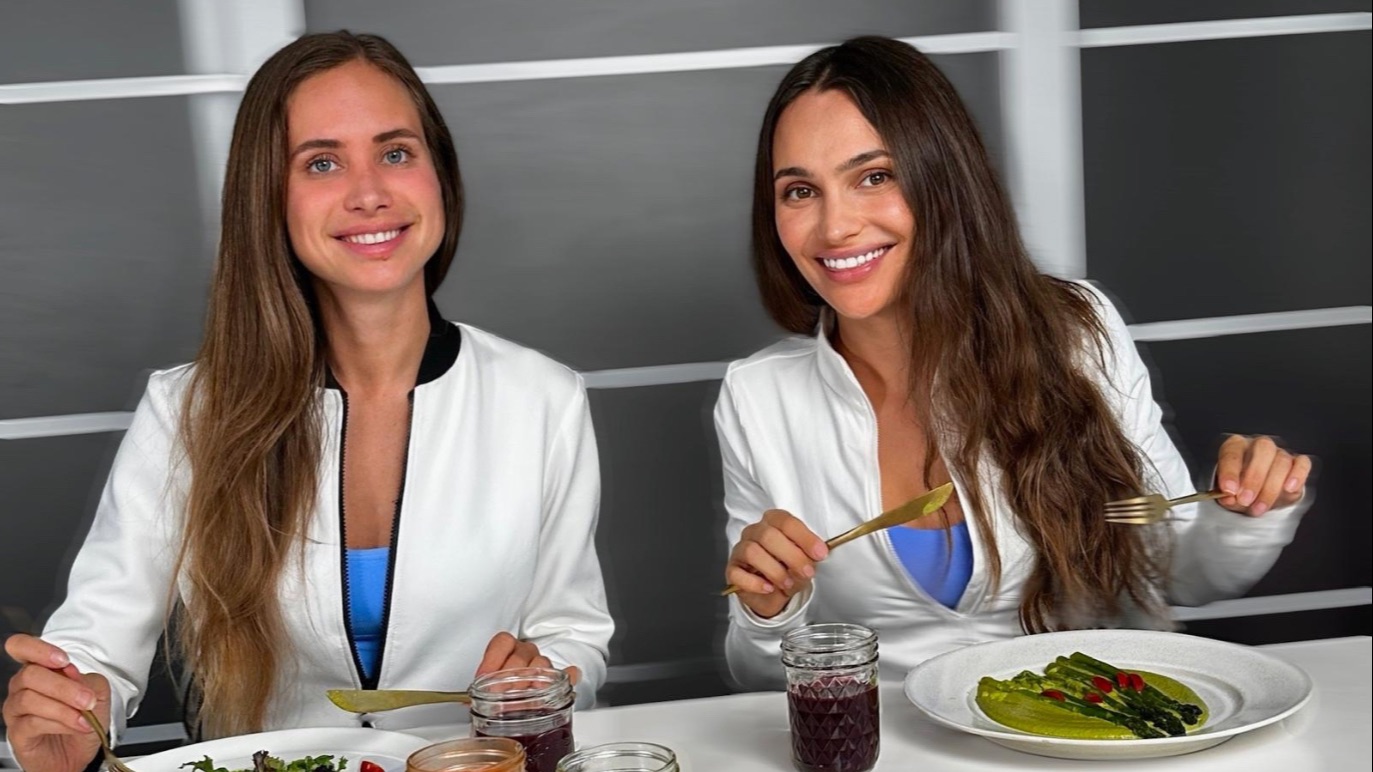
"Plant-based" and "vegan" get used as if they mean the same thing. They don't. One describes what's on your plate. The other describes a stance that reaches well past the kitchen, and the gap between them is where most of the confusion lives.
What Matters Most
- A plant-based diet focuses on whole plant foods and cutting back on animal products, but it does not have to be entirely animal-free.
- A vegan diet excludes all animal products completely, including milk, eggs, cheese and honey, and often extends into clothing and other lifestyle choices.
- A vegetarian diet sits in between, cutting out meat, fish, and poultry while still allowing dairy products such as milk, cheese, and eggs.
- All three can support real health benefits for heart health, including a lower risk of heart disease, especially when meals lean on high-fiber, low-fat whole foods rather than heavily processed ones.
- Learning to build meals that maximize nutrient absorption is exactly what the Become Your Own Healthiest Chef online course teaches.
What Does "Plant-Based" Actually Mean?
"Plant-based" gets used loosely, so it helps to start with a clear definition. A plant-based diet means building meals around whole, minimally processed plant foods, vegetables, fruits, whole grains, legumes, nuts, and seeds, while reducing animal products. Some people call this a vegetable-based diet, though produce is only part of the picture. Unlike veganism, a plant-based diet describes what is on your plate, not a whole way of life.
People make these food choices for health reasons, environmental impact, athletic performance, or personal preference. If you're still working out whether this way of eating suits you, our guide to what a plant-based diet actually does for your body covers the physiology in detail.
What Is a Vegetarian Diet?
A vegetarian diet excludes meat and fish, but still includes dairy products such as milk, cheese, and eggs. In many Indian traditions, this way of eating is rooted in the principle of ahimsa, avoiding harm to living beings and minimizing suffering.
That history matters because vegetarian eating was never only about nutrition. For many people, a healthful vegetarian diet works as a middle ground between standard eating and a fully plant-based diet.
What Is a Vegan Diet?
A vegan diet goes further than a vegetarian diet, excluding all animal-derived foods, including honey. Veganism is a philosophy that holds that animals deserve freedom from exploitation and harm, extending into everyday choices like clothing and cosmetics tested on animals.
The word itself has a specific origin. The term "vegan" was coined in 1944 by Donald Watson, a founding member of the UK's Vegan Society, who combined the first three and last two letters of "vegetarian."1 For Watson and the society's early members, animal welfare and avoiding animal products for ethical reasons sat at the center of the idea from day one.
Plant-Based vs Vegetarian vs Vegan at a Glance
The three overlap heavily in the kitchen. Where they separate is in how far the exclusions reach and what's driving them.
| Plant-based | Vegetarian | Vegan | |
|---|---|---|---|
| Meat, fish, poultry | Excluded | Excluded | Excluded |
| Dairy and eggs | Excluded | Included | Excluded |
| Honey | Excluded | Included | Excluded |
| Clothing and cosmetics | Not addressed | Not addressed | Excluded where animal-derived or animal-tested |
| Core emphasis | Whole, minimally processed plant foods | Meat-free eating | Avoiding animal exploitation |
| Typical motivation | Health, performance, environment | Health, tradition, ethics | Animal welfare and ethics |
These are general patterns rather than official definitions.
Plant-Based vs Vegan: Where the Real Differences Show Up
This is where plant-based vs vegan comparisons get useful. A plant-based diet is primarily a way of eating. Veganism is a broader lifestyle built around avoiding animal exploitation everywhere, not only at the dinner table.
Plant-based and vegan approaches often overlap in the kitchen, since both emphasize plant foods like vegetables, whole grains, legumes, beans, and fruit. In everyday terms, they differ mainly in motivation and scope, an important distinction for anyone weighing dietary choices: one is about your plate, the other a complete stance on animal welfare.
Can You Be Both Plant-Based and Vegan?
Many people ask this, and the answer is yes. A plant-based diet is often the easiest entry point and a good first step toward a full vegan lifestyle for anyone who later wants to carry the same values into clothing, cosmetics, and other everyday choices, not only food.
A simple plant-based meal, for example a stir-fry of beans, greens, and whole grains finished with olive oil, already fits comfortably within either approach. Transitioning away from animal products also has a positive impact on sustainability and planet health.
Health Benefits of Plant-Based and Vegan Eating
Research grounded in nutritional science has associated a plant-based diet with a lower risk of chronic disease, including improvements in blood pressure, cholesterol, and blood sugar control.2 Those health benefits show up most clearly when the diet leans on whole foods rather than convenience products.
Either approach can be unhealthy if it relies on ultraprocessed foods high in refined sugar, like potato chips or packaged vegan cookies. A whole-food, plant-based diet goes further than a general one by limiting added oils and processed ingredients.
A large analysis of health data from close to 100,000 adults found that vegans tend to carry a lower body mass index than vegetarians, who in turn tend to be leaner than non-vegetarians.3
Plant-Based Diets and Heart Disease Risk
Heart disease is a leading cause of death in the United States, which is why so much research focuses on how diet affects heart health. A large study following nearly 203,000 adults for 30 years found that those with the highest ratio of plant protein to animal protein had a 19 percent lower risk of cardiovascular disease and a 27 percent lower risk of coronary heart disease, compared with those who ate the lowest ratio.4
That data was based on not eliminating every animal product. It suggested that shifting toward more plant foods, whether through a vegetarian, vegan, or whole-food plant-based diet, lowers heart disease risk for the average person. The further you go towards a fully plant-based diet, the bigger the benefits.
Nutrients to Watch: B12, Iron, and More
A fully vegan way of eating can be nutritionally complete with proper planning, but it comes with a few important nutrients worth watching. Vitamin B12 is the one most often explained wrong: it is not produced by animals, but by bacteria, and modern food systems no longer expose people to it reliably.5 That is why anyone following a vegan diet typically needs B12 through fortified foods, such as nutritional yeast, or a supplement.5 Many vegans check in with a registered dietitian early on to confirm intake meets their needs.
Iron, Calcium, Omega-3 fatty acids, and Zinc are also worth tracking, especially if your plant-based diet skips fortified foods. Iron in particular rewards a little strategy, since plant iron is absorbed differently than the iron in meat; our guide to iron-rich plant based foods walks through which foods deliver the most and how to pair them. None of this makes either a vegetarian or vegan diet harder to sustain, just a little more intentional.
Which Approach Fits Your Life?
There is no universal right answer between a vegetarian diet, a vegan diet, or a plant-based diet. Some care most about animal welfare and the environment, pointing toward a vegan lifestyle that extends past the plate. Others focus mainly on health benefits and want the flexibility a vegetarian diet allows, like an occasional egg or extra dairy.
Both can work well, or fall short, if they lean too heavily on packaged food instead of real plant foods. Consistency matters more than the label on your plate. Whichever direction you lean, our complete vegan grocery list covers the staples worth keeping on hand.
Your Next Step
Understanding the difference between plant-based and vegan eating comes down to scope and motivation. One is a way of eating. The other is a lifestyle built around avoiding harm to animals, and a vegetarian diet is the easiest of all.
Whichever direction fits your health goals, real health benefits show up when you build meals around whole plant foods rather than convenience products, a skill you can learn.
Turn this into dinner
Knowing the labels is the easy part.
Become Your Own Healthiest Chef turns the science on this page into chef-led video lessons, weekly meal plans, and shopping lists built for real kitchens.
Start the Course →About Healthiest Chef
Healthiest Chef is a nutrition education platform built for health-conscious people who want delicious, science-backed food that supports lasting health and healthy aging. The platform pairs 13 world-class experts, including Blue Zones founder Dan Buettner and UCLA gut-brain researcher Dr. Emeran Mayer, with beginner-friendly video lessons that turn the nutritional science behind plant-based, vegetarian, and vegan eating into meals anyone can cook in about 20 minutes a day.
Curious how much toxic load is already hiding in your kitchen? Take the free Toxic Load Quiz to find out.
Not ready to commit?
Start here instead.
Take the free Non-Toxic Living Masterclass and get your first step toward eating and living better, on your terms.
Get the Free Masterclass →Frequently Asked Questions
Is a plant-based diet the same as a vegan diet? +
Can you eat a vegetarian diet and still be plant-based? +
Which is healthier, going vegan or vegetarian? +
Do vegans need supplements? +
References
Last reviewed 8 August 2026.
- The Vegan Society. History. https://www.vegansociety.com/about-us/history
- American Heart Association News. Eating a plant-based diet at any age may lower cardiovascular risk. 2021. https://www.heart.org/en/news/2021/08/04/eating-a-plant-based-diet-at-any-age-may-lower-cardiovascular-risk
- Orlich MJ, Fraser GE. Vegetarian diets in the Adventist Health Study 2: a review of initial published findings. The American Journal of Clinical Nutrition. 2014;100(Suppl 1):353S–358S. https://pubmed.ncbi.nlm.nih.gov/24898223/
- Glenn AJ, Wang F, Tessier A-J, et al. Dietary plant-to-animal protein ratio and risk of cardiovascular disease in 3 prospective cohorts. The American Journal of Clinical Nutrition. 2024. https://doi.org/10.1016/j.ajcnut.2024.09.006
- Behringer CR, Kulkarni A, Weinstein A. Vitamin B12: A Comprehensive Review of Natural vs Synthetic Forms of Consumption and Supplementation. Cureus. 2025;17(11):e96258. https://doi.org/10.7759/cureus.96258
MEET THE AUTHORS

Natalie Golba
Natalie Golba, co-founder of Healthiest Chef, serves as the platform’s lead nutrition and culinary authority. A celebrity chef and certified nutrition educator, Natalie has cooked for NBA professionals and elite athletes, contributed recipes to the Blue Zones Cookbook, and earned advanced nutrition credentials from Harvard Medical School, Stanford University School of Medicine, and Cornell University.



Irina Swan
Irina Swan is a wellness entrepreneur and co-founder of Healthiest Chef with more than 12 years of experience building consumer health products. After overcoming a decade-long struggle with chronic gut health issues through nutrition and lifestyle interventions, she co-founded Healthiest Chef to help make science-backed nutrition accessible and actionable for everyday people.
The newsletter
Never miss an article like this one
Evidence-based nutrition, non-toxic living, and chef-tested recipes, delivered as we publish them.
No spam, ever. Unsubscribe anytime.