
Plant Based Food 101: What a Plant Based Diet Does for Your Body
Jul 24, 2026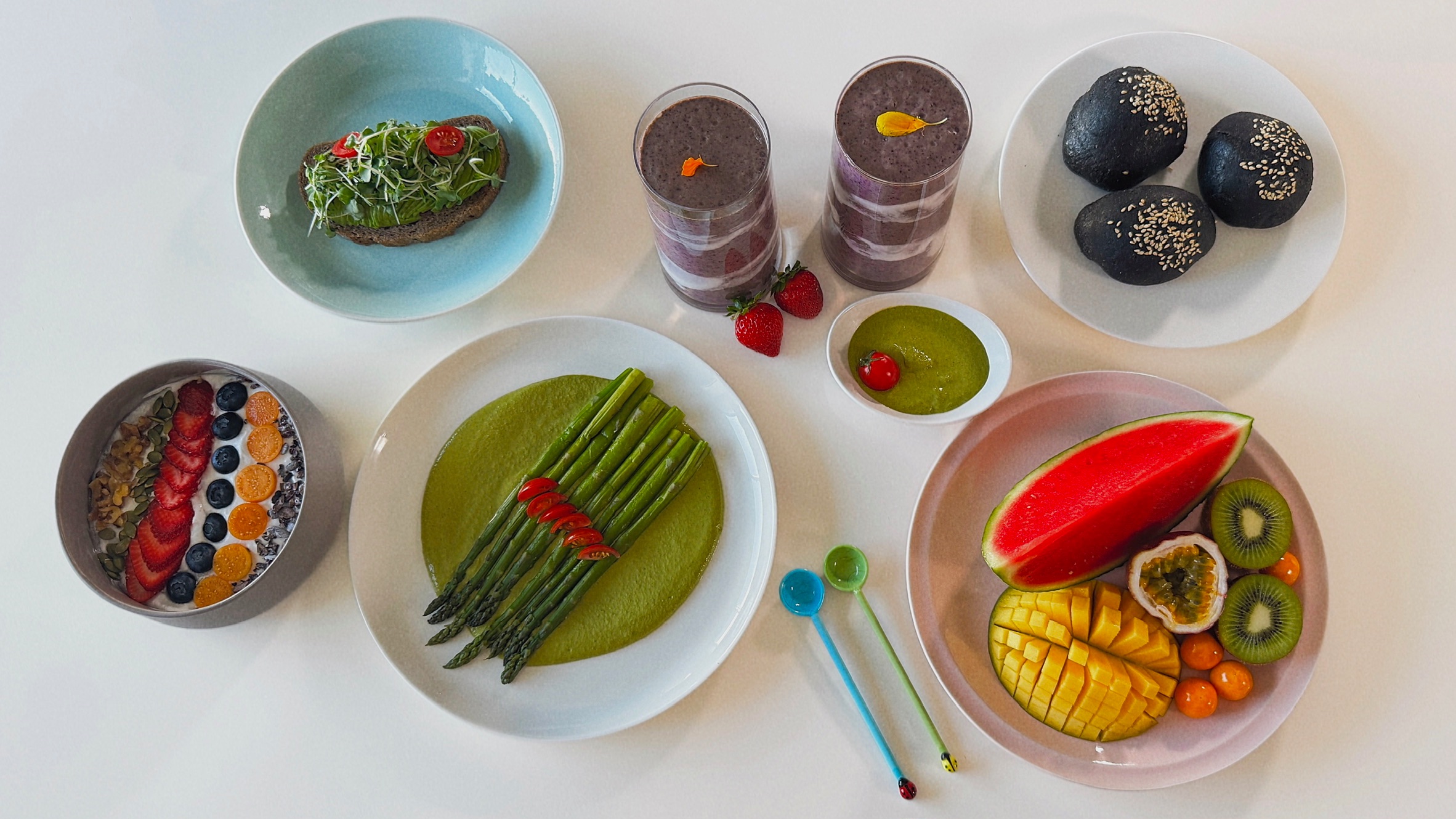
Plant-based food has moved from a niche health trend to everyday grocery list, and the research keeps growing. This guide walks through what a plant-based diet actually does for your heart, your weight, and your long-term health, plus practical ways to eat this way without overhauling your kitchen.
Putting It Into Practice
- A plant-based diet is linked to a lower risk of heart disease, type 2 diabetes, and certain cancers, with the strongest evidence for cardiovascular disease.
- Even a mostly plant-based diet built around vegetables, whole grains, and legumes is linked to better outcomes than a diet centered on animal foods.
- Whole grains like brown rice, plus sweet potatoes, fresh vegetables, and healthy fats such as olive oil, are the foundation of a healthy plant-based diet, not processed meat substitutes.
- Vitamin B12 and Omega-3 fatty acids are the nutrients worth planning around on a vegan diet.
What Does "Plant-Based Food" Actually Mean?
"Plant-based food" is a broad term. It covers anything grown rather than raised: vegetables, fruits, whole grains, legumes, nuts, seeds, and the oils and flours made from them.
A plant-based diet is the eating pattern built around these foods.
Plant-Based Diet vs. Vegetarian and Vegan Diets
Vegetarian diets are a type of plant-based diet that excludes meat, poultry, and fish, but include dairy and eggs. In many Indian traditions, it is rooted in the principle of ahimsa - avoiding harm to living beings and a commitment to minimize suffering and avoid the killing of animals for food. The vegan diet goes further, excluding all animal products, including honey. Veganism is a philosophy that seeks to avoid the exploitation and harm of animals. It extends beyond diet to choices of clothing, cosmetics and entertainment.
Plant-based means the diet focuses on eating whole, minimally processed, primarily plant foods and reducing or eliminating animal products. People would choose plant-based sometimes entirely for health reasons, other times for environmental, performance, or personal reasons.
The Health Benefits Backed by Research
The evidence behind a plant-based diet is some of the best documented in nutrition science. Whole-food plant-based diet shares many features with the Mediterranean diet and DASH diet, all of which emphasize vegetables, fruits, whole grains, legumes, nuts, and healthy fats while limiting highly processed foods.
A 2023 meta-analysis from Harvard researchers, pooling data from more than 2.2 million participants, found that a healthy plant-based diet was linked to roughly 21 percent lower odds of developing type 2 diabetes, 15 percent lower odds of cardiovascular disease, and 14 percent lower odds of cancer, compared with diets low in fruits, vegetables, and whole grains.[1]
That last point matters. Not every plant-based diet performs the same in the research. A diet heavy in fries, sugary drinks, and refined grains is technically plant-based, but it does not carry the same health benefits as one built around vegetables, whole grains, and legumes. The quality of what you choose changes the outcome.
The Research Behind Plant-Based Diet Benefits
Some of the strongest evidence for plant-based diet benefits comes from randomized controlled trials, not just observational data. Participants assigned to a plant-based diet in workplace and clinical trials showed measurable drops in body weight, LDL cholesterol, and blood sugar compared with unchanged control groups.[2][3]
A meta-analysis pulling together this kind of trial data found consistent, if moderate, weight loss across different plant-based diet designs, from strict vegan to more flexible vegetarian patterns.[3]
Plant-Based Diets, Heart Disease, and Cardiovascular Disease Risk
Cardiovascular disease has the strongest evidence base of any outcome tied to plant-based eating. Diets built around more legumes, whole grains, nuts, and vegetables, and less red meat and saturated fat, are consistently linked to lower rates of heart disease across long-running cohort studies.[1]
Part of the explanation is what a plant-based diet leaves out. Diets centered on animal foods tend to run higher in saturated fat, which is linked to higher LDL cholesterol levels over time. Diets built around vegetables, legumes, and whole grains tend to run lower.
Blood Sugar, Blood Pressure, and Cholesterol Levels
Fiber plays a direct role here. Soluble fiber, found in beans, oats, and many other plant foods, binds to cholesterol in the digestive tract and carries it out of the body, which research links to lower cholesterol levels over time[1]
A similar pattern shows up with blood sugar. Diets rich in whole grains, legumes, and fiber tend to produce steadier blood sugar responses than diets built around refined grains and added sugar, which is part of why a plant-based diet plays a role in type 2 diabetes prevention.[1]
Blood pressure tracks in the same direction. Diets higher in potassium-rich produce, like sweet potatoes, beans, and leafy greens, and lower in sodium from processed foods, are consistently associated with healthier blood pressure numbers.
Plant Compounds and Your Immune System
One of the simplest ways to improve the quality of your diet isn’t by eliminating foods, but by eating a greater variety of plants. While many people focus on eating more vegetables, research suggests that the diversity of the plant foods you eat may be just as important. In the American Gut Project, participants who ate more than 30 different plant types a week had more diverse gut microbiomes than those eating 10 or fewer, which is where the practical goal of 30 different plant foods each week comes from, counting vegetables, fruits, whole grains, legumes, nuts, seeds, herbs, and spices.[9]
Plant foods carry compounds beyond fiber and vitamins. Polyphenols, carotenoids, and other plant compounds found in colorful fruits and vegetables play a role in a well-functioning immune system, largely by keeping everyday inflammation in check.
Citrus fruits also bring vitamin C to the mix, which is one reason they show up so often in immune-focused nutrition advice.
Can You Get Enough Protein?
Most adults consuming adequate calories from a varied plant-based diet can meet their protein requirements through legumes, soy foods, whole grains, nuts, and seeds. Rather than focusing on individual foods, aim to include a variety of plant protein sources across the day.[4][10]
Longevity Diet
Beyond reducing the risk of chronic disease, healthy plant-based dietary patterns are also associated with healthy aging and longevity. Populations living in so-called Blue Zones typically consume diets centered on beans, whole grains, vegetables, nuts, and seasonal fruit, while eating relatively small amounts of animal foods.
According to Dan Buettner, the founder of Blue Zones, who is also one of the experts in Become Your Own Healthiest Chef:
“If you are eating 1/2 cup of beans a day, you are probably adding 4 years to your life expectancy”.
Although longevity depends on many lifestyle factors, not diet alone, these eating patterns are consistent with decades of research linking higher-quality diets with longer, healthier lives.
Diet for Gut Microbiome
One of the biggest reasons plant-based diets continue to attract research attention is their effect on the gut microbiome. The trillions of microorganisms that make up the gut microbiota rely largely on dietary fibre and other plant compounds for fuel.
Diets rich in vegetables, legumes, whole grains, fruits, nuts, and seeds encourage the production of beneficial short-chain fatty acids such as butyrate, which support gut barrier function, immune regulation, and metabolic health.
A diverse, fibre-rich plant-based diet is consistently associated with a healthier gut microbiome.[7][8] And for most healthy people, a varied, fibre-rich plant-based diet feeds the microbiome without a prebiotic or probiotic supplement.
According to the pioneer of microbiome research Dr Emeran Mayer, who is also one of the experts in Become Your Own Healthiest Chef:
“Over 70% of our immune cells are housed in the gut and imbalances in the gut microbiome have been linked to conditions such as obesity”
Plant-Based Eating for Healthy Weight and Diet Quality
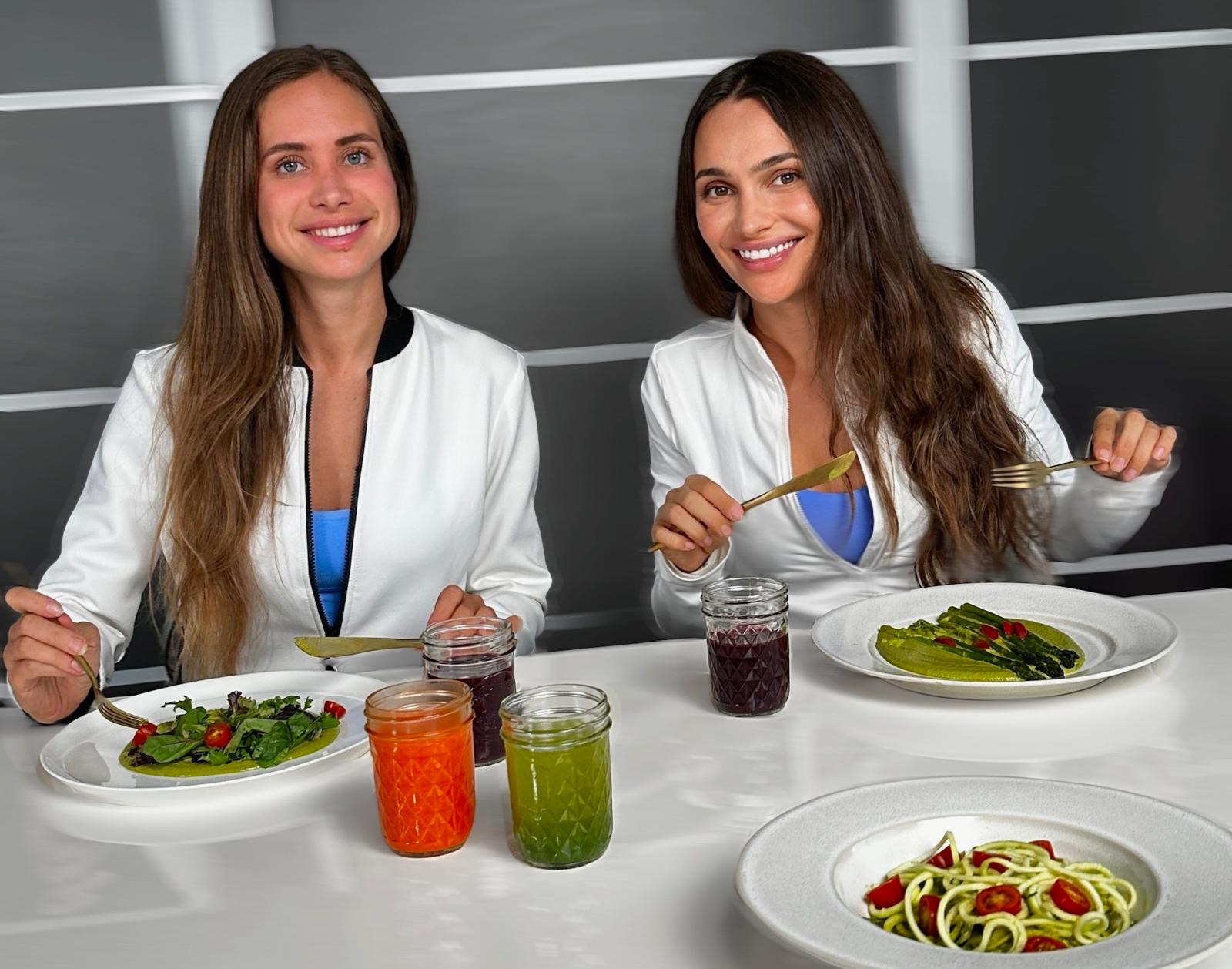
Diet quality is a term researchers use to describe how closely a person's eating pattern lines up with what the evidence shows, not just calorie counts. A whole-food plant-based diet tends to score well on diet quality, largely because it is naturally higher in fiber and lower in added sugar and refined grains.
Healthy weight is closely tied to diet quality. Meals built around vegetables, legumes, and whole grains tend to run lower in calories for the same portion size, since fiber and water take up space without adding much energy.
Weight Loss, Weight Control, and Body Weight Research
Randomized controlled trials back this up. In one widely cited workplace trial, adults assigned to a plant-based diet lost close to 3 kilograms over 18 weeks, alongside meaningful drops in LDL cholesterol, without being told to count calories.[2]
A separate meta-analysis of 12 randomized controlled trials found that people assigned to vegan diets lost about 2.5 kilograms more than those eating a non-vegetarian diet, and trials that set no calorie target at all still showed a meaningful edge.[3] That kind of steady, moderate loss tends to hold up better long-term than aggressive short-term diets.
Vegetarians and vegans also tend to run a lower body mass index than people eating a standard Western diet, a pattern that shows up consistently across large population studies, likely tied to both diet quality and the naturally lower calorie density of a plant-based diet.
Brown Rice, Whole Grains, and Other Everyday Staples
Whole grains are one of the easiest upgrades in a plant-based diet. Brown rice, in place of white rice, adds fiber, B vitamins, and a lower glycemic response for very little extra effort.
Brown rice pasta and regular wheat pasta both work in a plant-based diet. The difference comes down to refined versus whole grains: wheat pasta made from whole wheat, or a bean-based or brown rice pasta, carries more fiber than refined white pasta.
Other whole grains worth rotating in include oats, quinoa, farro, and barley. Each brings a slightly different texture and flavor, which makes it easier to keep a plant-based diet interesting instead of repetitive.
Sweet Potatoes, Citrus Fruits, and Fresh Vegetables
Sweet potatoes are a favorite starting point. They are inexpensive, keep well, and carry fiber and beta-carotene that a plain white potato does not offer in the same amount.
Fresh vegetables and fruits are the backbone of any plant-based diet. Frozen vegetables are a reasonable, often more affordable stand-in when fresh produce is out of season or out of budget, and they retain most of their nutrients.
Citrus fruits, berries, and other fruits round out a plant-based diet with natural sweetness and fiber, which is generally a better trade than the added sugar found in many packaged snacks.
Healthy Fats Like Olive Oil, Sunflower Seeds, and Cashew Butter
Healthy fats matter as much as vegetables in a well-built plant-based diet. Olive oil, used for cooking and dressings, is one of the most studied of these fats, and shows up repeatedly in research on heart disease. Which oil to reach for depends on the heat you are cooking at, which our guide to the healthiest cooking oils breaks down oil by oil.
Nuts and seeds, including sunflower seeds and walnuts, bring healthy fats along with plant protein and fiber. Nut butters like cashew or peanut butter add both flavor and staying power to a meal.
Plant-Based Milks, Nutritional Yeast, and Fortified Foods
Plant-based milks, made from soy, oats, or almonds, have become a common dairy stand-in. Soy milk comes closest to dairy milk in protein content, which matters if it is a regular part of your plant-based diet. Want to skip the store-bought stuff? Become Your Own Healthiest Chef teaches you how to make almond milk and other staples from scratch, plus dozens of other plant-based kitchen skills.
Nutritional yeast, a deactivated yeast with a cheesy, savory flavor, is another useful staple. It is often fortified with vitamin B12 and adds real flavor to sauces, vegan cheese, and pasta.
Simple Swaps for More Plant-Based Foods Every Day
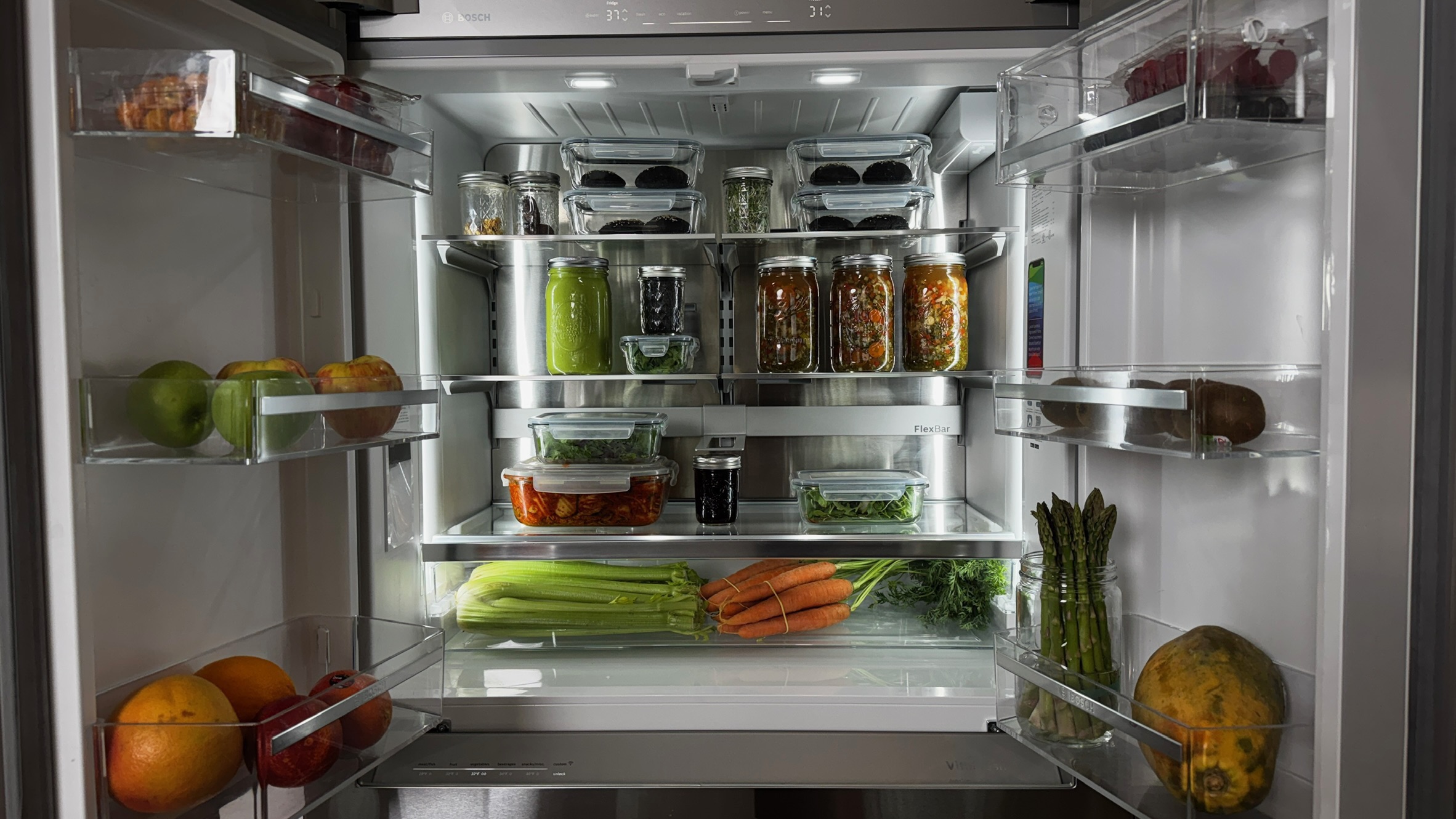
A few small, repeatable swaps make it easy to get more plant-based foods onto your plate without a full pantry overhaul. Swap the ground meat in a recipe for lentils or mushrooms. Swap a side of white rice for brown rice or quinoa. Swap one weekly dinner for a bean-based dish, like chili or dal, instead of planning a whole new menu around it.
Plan for the week rather than deciding meal by meal. A batch of cooked beans, a pot of grains, and a tray of roasted vegetables in the fridge make it far easier to build more plant-based foods into meals you are already making. Our complete vegan grocery list covers every category worth keeping stocked. If a done-for-you plan beats building one yourself, the 7-Day Ultimate Body Reset hands you a full week of plant-based meals, ready to cook.
Know the Why. Now Learn the How.
Become Your Own Healthiest Chef turns the research on this page into meals you can actually cook, in 2 hours per week.
Start the Course →Processed Foods, Added Sugar, and Reading Labels
Not all plant-based products are created equal. Ultra-processed foods and highly processed foods, like some packaged veggie snacks or vegan desserts, can carry as much added sugar, sodium, and refined grains as their animal-based counterparts.
Watching Added Sugar in Plant-Based Products
Added sugar is worth checking on plant-based milks, granola, and packaged snacks, since the label alone says nothing about sugar content. A whole, minimally processed plant-based diet keeps naturally occurring sugar in fruit and vegetables front and center instead.
Minimally processed foods, like plain oats, dried beans, and frozen vegetables without sauce packets, sit closer to whole plant-based foods than a shelf-stable meat alternative does.
Nutrients to Watch on a Strict Vegan Diet
A well-planned vegetarian or vegan diet can meet nearly all nutritional needs, according to a 2025 position paper from the Academy of Nutrition and Dietetics, but a handful of nutrients deserve deliberate attention.[4]
Despite popular belief, vitamin B12 is not produced by animals. It is made by bacteria or through supplementation, which is why many farm animals today are given B12 supplements. Since modern food systems no longer provide a reliable source of these bacteria, people following a plant-based diet can meet their B12 needs through fortified foods or a supplement.
Iron, calcium, and omega-3 fatty acids round out the list. Plant iron absorbs less efficiently than iron from meat, though pairing iron-rich lentils with vitamin C from citrus fruits closes much of that gap, a strategy our guide to iron-rich plant based foods covers in detail. Calcium comes from fortified foods, calcium-set tofu, and leafy greens. Despite popular belief, omega-3 is not produced by fish. It is originally made by marine algae, and fish accumulate it by eating algae or smaller organisms that have consumed algae. By choosing an algae-based omega-3 supplement, you can go straight to the source without relying on fish.[4]
Plant-Based Eating and the Planet
Eating more plant-based foods carries benefits beyond your own health. Producing plant-based food generally requires far less land and water than producing the same amount of animal food.
Livestock, including grazing land and cropland grown for animal feed, uses close to 80 percent of the world's agricultural land while producing less than 20 percent of global calories.[6] Shifting global diets toward more plant foods could cut that land use by roughly three-quarters, freeing land back to forests and other natural habitat.[5]
Food production is also a meaningful share of greenhouse gas emissions. Research comparing environmental impacts across food systems found that shifting to a plant based diet can cut a person's food-related greenhouse gas emissions by up to 73 percent, depending on where they live.[5]
How to Start Eating a Healthy Plant Based Diet This Week
Start small. Add one plant based dinner to your week, keep it for a month, then add a second. Diet quality tends to climb faster with small, repeatable changes than with a full overnight overhaul.
Plan ahead for produce that goes bad quickly. Buy fresh vegetables you will actually cook in the next few days, and lean on frozen vegetables, canned beans, and whole grains for the rest of the week.
One more thing to be mindful of is toxins. Always choose organic and regenerative organic, when you can. Curious how much toxic load is already hiding in your kitchen? Take the free Toxic Load Quiz to find out.
The Bottom Line on Plant Based Food
Plant-based food is not a single diet but a spectrum of evidence-based dietary patterns. Whether you choose a Mediterranean-style diet, DASH diet, vegetarian diet, vegan diet, or simply eat more whole plant foods, the research consistently points in the same direction: meals built around vegetables, legumes, whole grains, fruit, nuts, seeds, and healthy fats support better long-term health than diets dominated by highly processed foods and animal protein.
About Healthiest Chef
Reading about what a plant based diet can do for your health is one thing. Turning that into meals you actually cook, week after week, is where most people get stuck.
The Become Your Own Healthiest Chef online course, led by celebrity chef and nutrition educator Natalie Golba, whose training spans Harvard Medical School and Stanford University School of Medicine, teaches practical techniques for building satisfying meals around whole grains, legumes, and vegetables. You will learn meal-planning habits grounded in current nutrition science, built for real kitchens and real schedules.
Not Ready to Commit? Start Here Instead.
Take the free Non-Toxic Living Masterclass and get your first step toward eating and living better, on your terms.
Get the Free Masterclass →Frequently Asked Questions
Can you get enough protein on a plant based diet? +
Is plant based food more expensive than eating meat? +
What nutrients should vegans watch most closely? +
References
Last reviewed 28 July 2026.
- Wang Y, Liu B, Han H, et al. “Associations between plant-based dietary patterns and risks of type 2 diabetes, cardiovascular disease, cancer, and mortality: a systematic review and meta-analysis.” Nutrition Journal, 2023;22(1):46. https://doi.org/10.1186/s12937-023-00877-2 — Correction: Nutrition Journal, 2024;23(1):6. https://doi.org/10.1186/s12937-023-00891-4
- Mishra S, Xu J, Agarwal U, Gonzales J, Levin S, Barnard ND. “A multicenter randomized controlled trial of a plant-based nutrition program to reduce body weight and cardiovascular risk in the corporate setting: the GEICO study.” European Journal of Clinical Nutrition, 2013;67(7):718–724. https://pmc.ncbi.nlm.nih.gov/articles/PMC3701293/
- Huang RY, Huang CC, Hu FB, Chavarro JE. “Vegetarian Diets and Weight Reduction: a Meta-Analysis of Randomized Controlled Trials.” Journal of General Internal Medicine, 2016;31(1):109–116. https://doi.org/10.1007/s11606-015-3390-7
- Raj S, Guest NS, Landry MJ, Mangels AR, Pawlak R, Rozga M. “Vegetarian Dietary Patterns for Adults: A Position Paper of the Academy of Nutrition and Dietetics.” Journal of the Academy of Nutrition and Dietetics, 2025;125(6):831–846. https://doi.org/10.1016/j.jand.2025.02.002
- Poore J, Nemecek T. “Reducing food’s environmental impacts through producers and consumers.” Science, 2018;360(6392):987–992. https://doi.org/10.1126/science.aaq0216
- Ritchie H, Rosado P, Roser M. “Environmental Impacts of Food Production.” Our World in Data. https://ourworldindata.org/environmental-impacts-of-food
- Valdes AM, Walter J, Segal E, Spector TD. “Role of the gut microbiota in nutrition and health.” BMJ, 2018;361:k2179. https://doi.org/10.1136/bmj.k2179
- Makki K, Deehan EC, Walter J, Bäckhed F. “The Impact of Dietary Fiber on Gut Microbiota in Host Health and Disease.” Cell Host & Microbe, 2018;23(6):705–715. https://doi.org/10.1016/j.chom.2018.05.012
- McDonald D, Hyde E, Debelius JW, et al. “American Gut: an Open Platform for Citizen Science Microbiome Research.” mSystems, 2018;3(3):e00031-18. https://doi.org/10.1128/mSystems.00031-18
- Mariotti F, Gardner CD. “Dietary Protein and Amino Acids in Vegetarian Diets — A Review.” Nutrients, 2019;11(11):2661. https://doi.org/10.3390/nu11112661
MEET THE AUTHORS

Natalie Golba
Natalie Golba, co-founder of Healthiest Chef, serves as the platform’s lead nutrition and culinary authority. A celebrity chef and certified nutrition educator, Natalie has cooked for NBA professionals and elite athletes, contributed recipes to the Blue Zones Cookbook, and earned advanced nutrition credentials from Harvard Medical School, Stanford University School of Medicine, and Cornell University.



Irina Swan
Irina Swan is a wellness entrepreneur and co-founder of Healthiest Chef with more than 12 years of experience building consumer health products. After overcoming a decade-long struggle with chronic gut health issues through nutrition and lifestyle interventions, she co-founded Healthiest Chef to help make science-backed nutrition accessible and actionable for everyday people.
The newsletter
Never miss an article like this one
Evidence-based nutrition, non-toxic living, and chef-tested recipes, delivered as we publish them.
No spam, ever. Unsubscribe anytime.