The Complete Vegan Grocery List: Every Staple You Need to Eat Well
Jul 22, 2026
Putting It Into Practice Tips
- A well-organized vegan grocery list covers six core categories: produce, grains, legumes, proteins, dairy alternatives, and pantry staples.
- Whole foods like brown rice, lentils, black beans, and sweet potatoes form the most affordable, nutritious foundation of a vegan diet.
- Frozen fruits and frozen vegetables generally retain nutritional value comparable to fresh produce, extending your grocery shopping budget significantly.
- Buying staples in bulk, such as dried beans, whole grains, nuts and seeds, cuts cost per serving and minimizes food waste.
Starting a vegan diet can feel overwhelming the first time you walk into a grocery store with an empty cart and no plan. This guide removes the guesswork, covering every category you need to stock your kitchen with confidence. Whether you're brand new to vegan food or simply looking to shop more efficiently, this list is your starting point. If you are still weighing whether this way of eating is right for you, start with what a plant based diet actually does for your body.
Why a Thoughtful Vegan Grocery List Changes Everything
Walking into a grocery store without a plan is the fastest way to overspend, buy things that don't combine into meals, and end up with wasted produce and regret.
A structured vegan grocery list does three things: it saves money, reduces food waste, and ensures you're eating nutritionally complete meals throughout the week.
In a study of more than 40,000 French adults, people who planned their meals ahead ate a wider variety of foods and scored higher on overall diet quality.1
Plant-based diets are associated with lower rates of heart disease and type 2 diabetes, and may be associated with reduced risk of certain cancers, particularly when centered on whole plant foods.2
That foundation starts at the grocery store.
How to Approach Vegan Grocery Shopping
Think in Categories, Not Recipes
The most efficient approach to grocery shopping for a plant-based kitchen is to shop by category first, then build meals from what you have.
When your pantry holds reliable staples, including grains, legumes, healthy fats, fresh herbs, and sauces, you can create fantastic meals with minimal planning.
Plan Around Your Meal Plan First
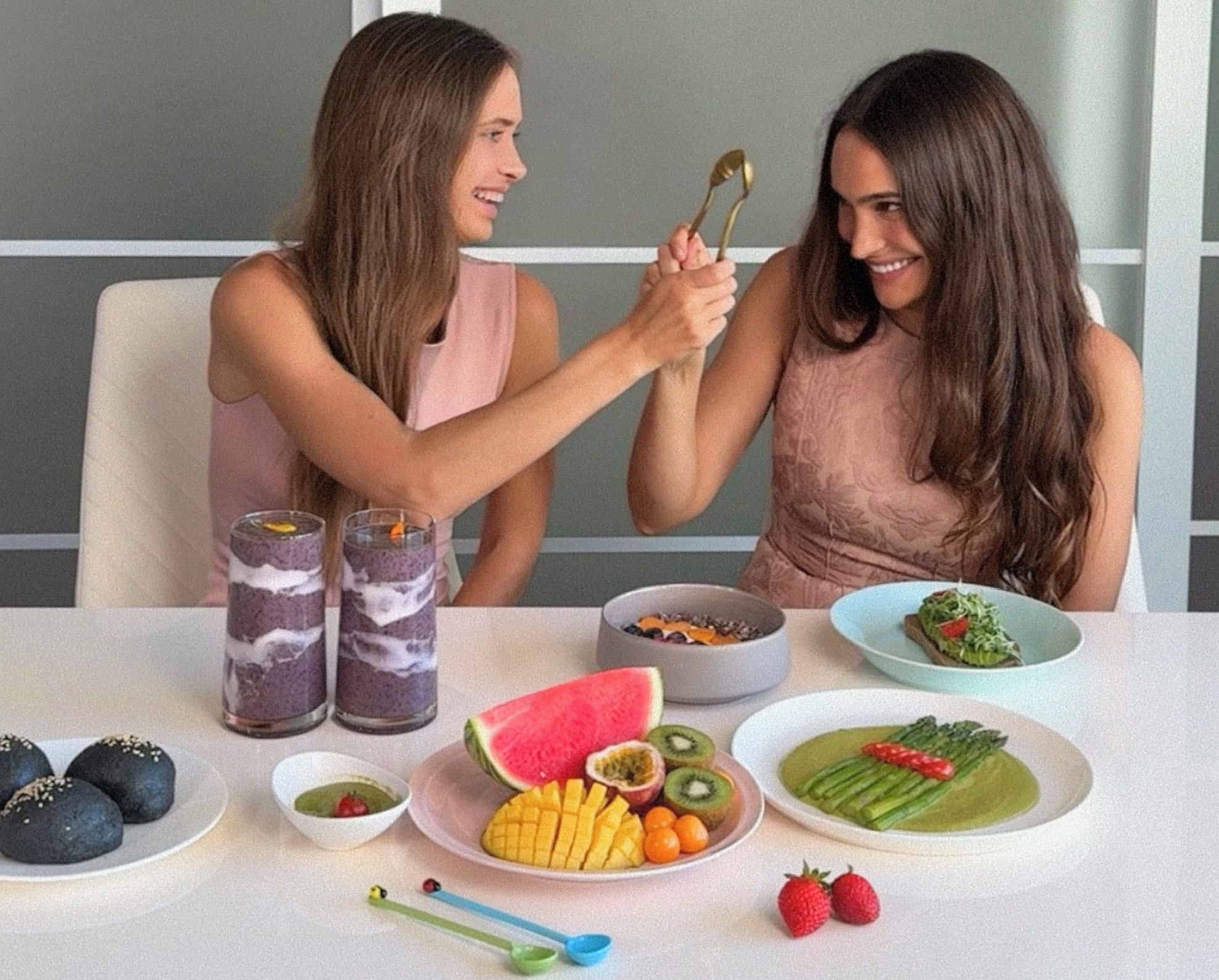
A well-designed meal plan should do more than simply tell you what to eat. It should help you consume at least 30 different plant foods each week, meet your protein and fiber needs, and provide essential vitamins and minerals through food whenever possible.
That 30-plants-a-week benchmark comes from the American Gut Project, the largest citizen-science microbiome study to date. Within a dataset of more than 10,000 participants, researchers at UC San Diego compared a subset of people eating 30 or more different plant types a week against a subset eating 10 or fewer. The high-plant group carried significantly more diverse gut microbiomes and fewer antibiotic resistance genes. Microbiome diversity is generally associated with better health outcomes, though it is worth noting this study measured diversity itself rather than long-term disease risk.9
When creating a meal plan, also consider your lifestyle and eating habits. Will you be eating most meals at home? Do you need breakfast, lunch, and dinner prepared in advance, or only one or two meals per day? How much variety do you enjoy?
Meal planning is also one of the most effective tools for reducing food waste at home.3
Shop the Perimeter, Then the Aisles
Fresh produce lines the outer edges of most grocery stores. Start there, fill your cart with whole foods first, then move to the inner aisles for grains, canned goods, and packaged foods.
This sequence naturally prioritizes fresh vegetables, fresh fruits, and whole ingredients over processed foods.
The Complete Vegan Grocery List by Category
Fresh Produce: The Core of Every Vegan Meal
Fresh Vegetables to Buy Every Week
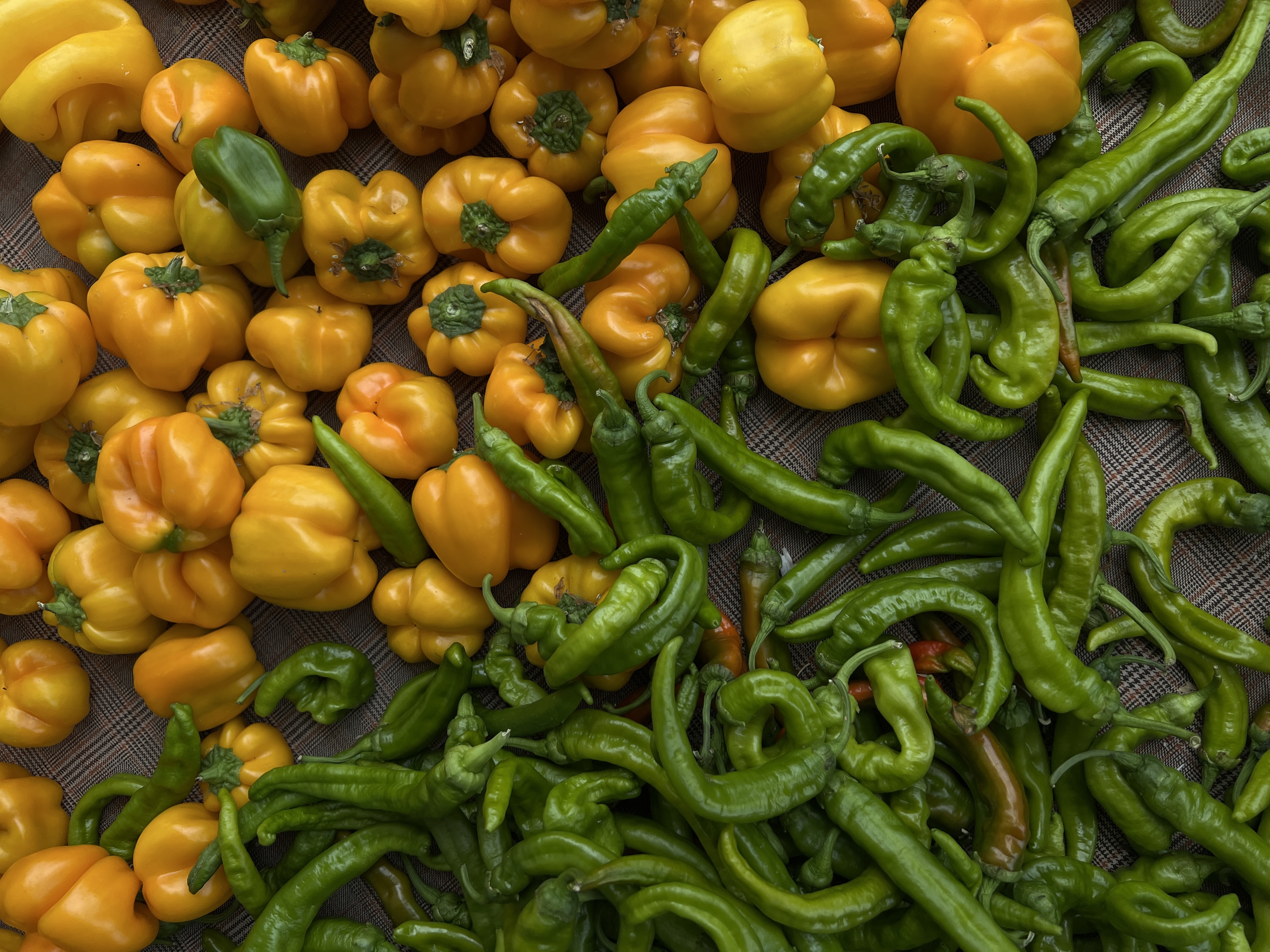
Fresh vegetables form the nutritional backbone of a vegan diet. Aim to include a range of colors, as each represents a different set of phytonutrients your body uses differently.4
Reliable weekly staples include
| Category | Examples |
|---|---|
| Leafy greens | Spinach, kale, arugula, Swiss chard |
| Cruciferous | Broccoli, cauliflower, Brussels sprouts, cabbage |
| Alliums | Onion, garlic, leeks |
| Root vegetables | Carrots, beets, parsnips |
| Other staples | Sweet potatoes, peppers, zucchini, cucumber, celery, tomatoes |
Leafy greens should be crisp and free of brown spots when you buy them. Dark leafy greens supply calcium and iron, two nutrients that deserve attention on a plant-based diet. Absorption varies a lot by green, though: kale, collard greens, and bok choy deliver calcium your body absorbs well, while spinach and Swiss chard are high in oxalates, which bind calcium and sharply reduce how much of it you actually absorb. Eat both, but do not count spinach as your calcium source.5 For a full breakdown of the best plant-based iron sources, see our iron-rich foods guide.
Fresh Fruits Worth Prioritizing
Fresh fruits add natural sweetness, fiber, and antioxidants to meals and snacks.
Core picks: bananas, apples, oranges, lemons, limes, grapes, and whatever is in season locally.
Citrus fruits that feel heavy for their size are typically the ripest and juiciest.
Berries, including blueberries, strawberries, and raspberries, should be dry, plump, and rich in color. If prices are high, frozen berries and mixed berries deliver comparable nutritional value at a fraction of the cost. Choosing seasonal produce consistently saves money and improves flavor.
Frozen Fruits and Vegetables: The Underrated Section
Why Frozen Belongs on Every Grocery List
Frozen fruits and frozen vegetables are typically picked close to ripeness and frozen soon after harvest, which limits the nutrient loss that happens during shipping and storage. A University of Georgia study compared broccoli, spinach, corn, blueberries, and four other crops under three conditions: frozen, fresh on the day of purchase, and "fresh-stored" for five days in a household refrigerator, which is how long the average American keeps produce before eating it. The result: in most comparisons there was no significant difference between fresh and frozen, and where differences did appear, frozen more often beat the five-day refrigerated produce on vitamin C, vitamin A, and folate.6
In other words, the bag of frozen spinach in your freezer may deliver more vitamins than the "fresh" bunch wilting in your crisper drawer. This is exactly the kind of distinction Ginger Pierce, Culinary Director at 1 Hotel Chef, and Jonathan Zaidman, Head of Community at Ecology Center, unpack in Become Your Own Healthiest Chef, where they teach you how to choose the most nutrient dense produce.
Frozen produce also carries a long shelf life, costs less than out-of-season fresh produce, and eliminates prep time.
Best Frozen Items to Keep Stocked
- Frozen vegetables: edamame, peas, corn, spinach, broccoli, green beans
- Frozen fruits: mango, pineapple, mixed berries, frozen berries for smoothies
For anyone managing grocery shopping on a tight budget, the freezer section is one of the highest-value areas in any grocery store.
Whole Grains: The Foundation of Sustained Energy
Why Whole Grains Matter on a Vegan Diet
Whole grains generally digest more slowly than refined grains, helping promote steadier blood sugar responses and sustained energy.7
They supply fiber, iron, and B vitamins that support everything from digestion to cognitive function. Whole grains can also contribute to reducing the risk of cardiovascular disease when eaten regularly as part of a balanced diet.7
Grains to Keep in Your Pantry
- Brown rice: a versatile, affordable base for dozens of meals
- Quinoa: a complete protein and naturally gluten-free whole grain
- Rolled oats and steel-cut oats
- Brown rice pasta and whole wheat pasta options
- Whole grain bread and Ezekiel bread (made from sprouted whole grains, which may improve digestibility for some people)
- Barley, farro, and millet for variety
Most dry pasta sold in grocery stores is vegan by default. Check the label to confirm no egg is added.
Legumes: The Protein Engine of Plant-Based Eating
Beans, Lentils, and Chickpeas Are Non-Negotiable
Legumes are the most calorie-efficient protein source on a vegan grocery list. They provide protein, iron, and fiber in a single ingredient, and they work in virtually every cuisine.8
Beans are particularly versatile. They can anchor a burrito, thicken a soup, bulk up a grain bowl, or form the base of a dip.
Canned options (ready to use):
- Canned beans (black beans, chickpeas, kidney beans, pinto beans)
- Canned lentils
Dried options (cheaper per serving):
- Dried beans: black beans, pinto beans, chickpeas, cannellini beans
- Dried lentils: green, red, and French lentils cook in 20 minutes without soaking
- Split peas
Buying dried beans in bulk reduces cost per serving significantly and extends shelf life to over a year when stored properly.
Soy products also belong here. Tofu, tempeh, and edamame are among the highest-protein plant foods available and are widely found at most grocery stores.
Plant-Based Proteins Beyond Legumes
Tofu, Tempeh, and Seitan
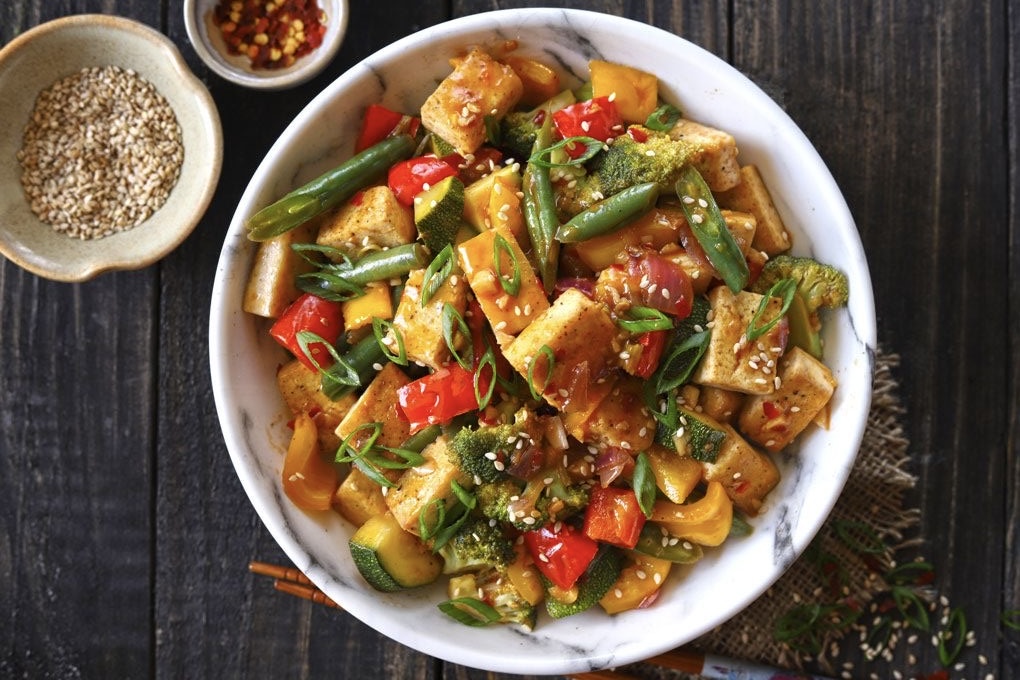
Tofu is one of the most adaptable proteins in vegan cooking. Firm tofu works well for sauteing and baking; silken tofu works in sauces, dressings, and desserts.
Tempeh is fermented, which contributes to its distinct flavor and potential digestive benefits.
Seitan, made from wheat gluten, has a meaty texture and takes on the flavor of whatever it's cooked with, including soy sauce-based marinades.
Plant-Based Meat Alternatives
Plant based meat alternatives have expanded significantly in recent years. These packaged foods are convenient but are often more expensive and generally less nutrient-dense than minimally processed whole-food options. Use them to ease a transition or add variety, not as the foundation of every meal.
High-Protein Vegan Staples
| Food | Approximate protein |
|---|---|
| Lentils (1 cup, cooked) | ~18 g |
| Edamame (1 cup) | ~18 g |
| Tofu (100 g) | ~15 g |
| Tempeh (100 g) | ~20 g |
| Chickpeas (1 cup, cooked) | ~15 g |
| Black beans (1 cup, cooked) | ~15 g |
| Seitan (100 g) | ~25 g |
Including a variety of these foods throughout the week makes it easy to meet your protein needs on a well-planned vegan diet.
Dairy Alternatives: The Full Category Breakdown
Plant-Based Milk
| Plant milk | Best feature | Good for |
|---|---|---|
| Soy | Highest protein | Everyday drinking, cooking |
| Oat | Creamy texture | Coffee and lattes |
| Almond | Lowest calories | Smoothies and cereal |
Almond milk is among the most widely available and lowest in calories. Soy milk is the highest in protein of the common plant milks, at roughly the same protein content as cow's milk. Oat milk froths well and has become a popular coffee creamer alternative.
Non-dairy milk can substitute for cow's milk in virtually any recipe but be aware of the additives. If you are using plant milk as a calcium source, buy a fortified version and shake the carton, since the added calcium settles.
Vegan Cheese, Butter, and Other Substitutes
Vegan cheeses have improved substantially and are now available at most major grocery stores. Many are made from nuts and seeds, particularly cashews.
Vegan butter behaves similarly to conventional butter in baking and sauteing.
Other dairy alternatives worth knowing:
- Vegan sour cream
- Vegan cream cheese
- Vegan ice cream
Again, be mindful of additives: in Become Your Own Healthiest Chef we teach you how to make homemade almond milk in minutes using a blender and a nut bag, and how to make Vegan Ricotta using a food processor.
Nuts, Seeds, and Nut Butters
Nuts and seeds supply healthy fats, protein, and essential vitamins in small, portable packages.10
They are calorie-dense, so a small amount goes far, which also means they provide strong value per gram on a grocery list.
What to Stock
- Almonds, cashews, walnuts, pecans
- Hemp seeds, sunflower seeds, pumpkin seeds
- Chia seeds and flaxseeds (both rich in ALA, the plant form of omega-3; the body converts only a small fraction of ALA into the EPA and DHA it uses, so an algae-based omega-3 supplement is worth considering on a fully plant-based diet)
- Sesame seed paste (tahini) for dressings, dips, and sauces
- Almond butter and cashew butter
- Peanut butter (technically a legume, functionally grouped with nut butters)
Pantry Staples That Make Vegan Cooking Effortless
Oils, Vinegars, and Sauces
- Extra Virgin Olive oil for dressings
- Avocado oil for high-heat cooking
- Sesame oil for Asian-inspired dishes
- Apple cider vinegar, balsamic vinegar, rice vinegar
- Low-sodium tamari sauce (for avoiding gluten)
- Hot sauce for finishing dishes
Which oil belongs in which pan comes down to smoke point and fat profile. Our guide to the healthiest cooking oils walks through each one and when to reach for it.
Sweeteners Basics
- Maple syrup: the most versatile all-purpose sweetener for vegan baking and cooking
- Date syrup and blackstrap molasses when you want depth rather than clean sweetness
- Agave, used sparingly — it is very high in fructose, so treat it like any other added sugar rather than a health food
- Vanilla extract, baking soda, baking powder
Canned and Jarred Goods
- Crushed tomatoes, diced tomatoes, tomato paste
- Olives, artichoke hearts, sun-dried tomatoes
- Vegetable stock
Fresh Herbs and Dried Spices
Fresh herbs elevate vegan food from functional to genuinely delicious.
Keep cilantro, parsley, basil, and mint in rotation. Dried herbs and spices, including cumin, smoked paprika, turmeric, coriander, oregano, and cinnamon, are shelf-stable and build flavor without any added fat or sodium.
Nutritional yeast
Must have in your kitchen that helps add a cheesy flavor without dairy. There is a myth that all vegans are deficient in B12. Just 1 tablespoon of fortified BRAGG nutritional yeast added to a Vegan Mayo from Become Your Own Healthiest Chef provides 65% of the recommended daily allowance for Vitamin B12. The B12 in fortified yeast is free cyanocobalamin, which absorbs better than the B12 in meat that needs stomach acid to release it first.
A Note on Sweet Potatoes
Sweet potatoes deserve a specific callout beyond their appearance in the vegetable section.
They are an excellent source of beta-carotene, potassium, fiber, and vitamin C in a relatively inexpensive package.
Roast them, mash them, slice them into fries, or cube them into grain bowls, add to soups. Sweet potatoes belong on your vegan grocery list every week.
Smart Grocery Shopping Tips for Vegan Beginners
Buy in Bulk Where It Makes Sense
Dried beans, lentils, whole grains, nuts, and seeds all have long shelf lives and can be purchased in bulk at significant savings. Buying in bulk reduces the cost per item significantly and cuts down on packaging waste.
Frozen Is Not a Compromise
Frozen vegetables and frozen fruits generally retain nutritional value comparable to fresh produce.6 For berries, tropical fruits, peas, and corn especially, frozen often outperforms out-of-season fresh in both taste and value.
Limit Processed Foods and Packaged Foods
Processed foods and packaged foods designed for the vegan market, including vegan cheese puffs, packaged vegan desserts, and highly processed meat alternatives, are often more expensive and generally less nutrient-dense than minimally processed whole-food options. Use them strategically, not as staples.
Read Labels on Packaged Foods
Not everything that appears plant-based actually is. Some packaged foods contain hidden dairy derivatives such as casein and whey, or eggs. Quick label reading becomes second nature within a few grocery trips. Curious what's already hiding in your kitchen? Take our free Toxic Load Quiz.
Trader Joe's and Budget-Friendly Stores
Trader Joe's carries a wide range of plant-based staples at competitive prices, particularly frozen items, nut butters, and produce. Value-range and store-brand products at mainstream grocery stores are often comparable in quality to name brands at a lower price.
Storage Tips
- Dried beans and whole grains: Store in airtight containers in a cool, dry pantry for up to 1 year.
- Nuts and seeds: Refrigerate or freeze to help preserve healthy fats and prevent rancidity.
- Ground flaxseed: Keep refrigerated after opening for maximum freshness.
- Fresh herbs: Store stems in a glass of water in the refrigerator or freeze chopped herbs in olive oil for later use.
- Tofu: Once opened, keep submerged in fresh water in the refrigerator and change the water daily. Use within 3–5 days.
Nutrients to Pay Attention to on a Vegan Diet
A well-planned vegan diet can provide nearly all the nutrients your body needs, but a few deserve special attention. Fortunately, with a combination of whole foods, fortified products, and supplements where appropriate, it’s easy to meet your nutritional needs.
| Nutrient | Why it matters | Good vegan sources |
|---|---|---|
| Vitamin B12 | Supports nerve function and red blood cell production. | Fortified nutritional yeast, fortified plant milks and cereals, or a B12 supplement. |
| Vitamin D | Essential for bone health and immune function. | Fortified plant milks, fortified foods, sensible sun exposure, or a vitamin D supplement if needed. |
| Iodine | Supports normal thyroid function. | Iodized salt, sea vegetables (in moderation), or an iodine supplement if dietary intake is low. |
| Calcium | Builds and maintains strong bones and teeth. | Calcium-set tofu, fortified plant milks, kale, bok choy, collard greens, fortified orange juice. |
| Iron | Helps transport oxygen throughout the body. | Lentils, beans, tofu, spinach, pumpkin seeds, quinoa, fortified cereals. Pair with vitamin C-rich foods to improve absorption. See our iron-rich plant foods guide. |
| Zinc | Supports immune function and wound healing. | Chickpeas, lentils, beans, tofu, pumpkin seeds, hemp seeds, whole grains, nuts. |
| Omega-3 (DHA/EPA) | Supports brain, eye, and heart health. | Flaxseeds, chia seeds, hemp seeds, and walnuts provide ALA. Because conversion to DHA and EPA is limited, an algae-based DHA/EPA supplement may be worth considering. |
Remember: Variety is one of the best ways to support nutritional adequacy. Eating a wide range of vegetables, fruits, legumes, whole grains, nuts, and seeds throughout the week helps ensure you’re getting a broad spectrum of essential nutrients.
What a Week of Vegan Meals Might Look Like
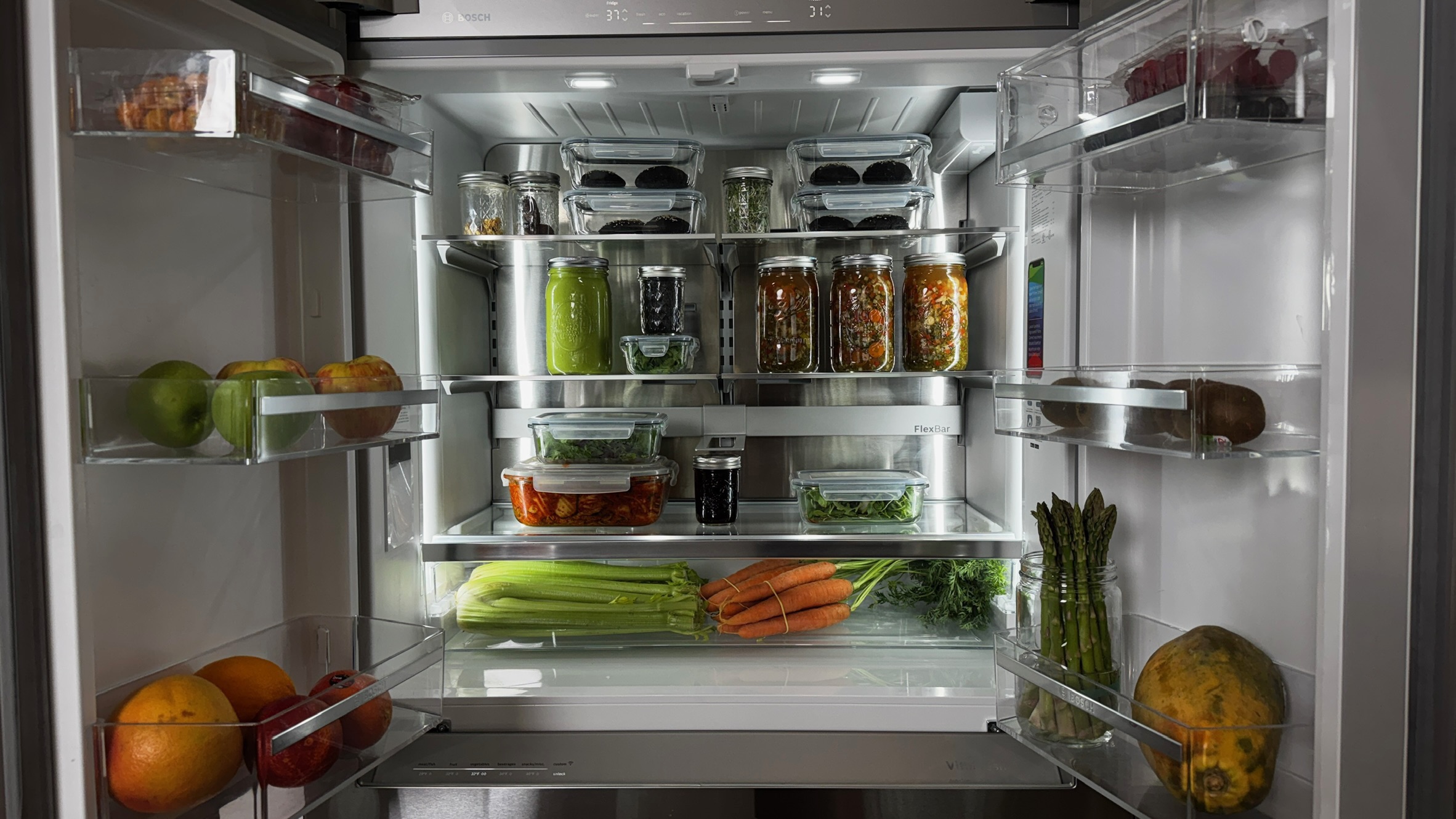
Rather than buying dozens of ingredients without a plan, start with a handful of balanced recipes that naturally cover your nutritional needs. A practical meal plan built from this weekly vegan meal plan might look like:
- Breakfast: Protein smoothie with frozen berries
- Lunch: Salad bowl with beans as a protein base.
- Dinner: Lentil soup with a side of German Seed Bread.
- Snacks: Hummus with fresh vegetables.
Ready to Stop Guessing at the Grocery Store?
Become Your Own Healthiest Chef teaches you how to pick, prep, and cook every staple on this list, plus the recipes that turn them into real meals, in 2 hours per week.
Start the Course →About Healthiest Chef
Eating well starts with knowing what to cook, and that's where most people get stuck. Healthiest Chef is a premium nutrition education platform that translates the latest food science into delicious, beginner-friendly meals anyone can prepare at home.
Built around chef-led instruction and evidence-backed nutrition principles, the platform helps students move beyond grocery lists and into genuine cooking confidence. From meal preparation strategies to understanding how specific ingredients support gut health, energy, and healthy aging, every lesson is designed to build sustainable habits, not short-term rules:
- In the course, Culinary Director at 1 Hotel Chef Ginger Pierce teaches you how to choose the best produce.
- Darin O'lien, superfood hunter from the Emmy-winning documentary Down to Earth, explains the differences between various types of food processing.
- Jonathan Zaidman, Head of Community at Ecology Center, the first regenerative organic farm in the US, talks about the difference between conventional, organic and regenerative organic.
- Doug Evans “The Spout Guy” teaches you how to grow the most nutrient dense food on the planet right on your kitchen counter.
Not Ready to Commit? Start Here Instead.
Take the free Non-Toxic Living Masterclass and get your first step toward eating and living better, on your terms.
Get the Free Masterclass →Frequently Asked Questions
What should always be on a vegan grocery list? +
Is grocery shopping for a vegan diet expensive? +
Can I find everything on a vegan grocery list at a regular grocery store? +
How do I avoid food waste when vegan grocery shopping? +
References
Last reviewed 27 July 2026.
- Ducrot P, Méjean C, Aroumougame V, et al. “Meal planning is associated with food variety, diet quality and body weight status in a large sample of French adults.” International Journal of Behavioral Nutrition and Physical Activity, 2017;14(1):12. PMC5288891
- Wang Y, Liu B, Han H, et al. “Associations between plant-based dietary patterns and risks of type 2 diabetes, cardiovascular disease, cancer, and mortality: a systematic review and meta-analysis.” Nutrition Journal, 2023;22(1):46. PMC10548756
- U.S. Environmental Protection Agency. “Preventing Wasted Food At Home.” epa.gov
- Harvard T.H. Chan School of Public Health, The Nutrition Source. “Vegetables and Fruits.” nutritionsource.hsph.harvard.edu
- National Institutes of Health, Office of Dietary Supplements. “Calcium: Fact Sheet for Health Professionals.” ods.od.nih.gov
- Li L, Pegg RB, Eitenmiller RR, Chun JY, Kerrihard AL. “Selected nutrient analyses of fresh, fresh-stored, and frozen fruits and vegetables.” Journal of Food Composition and Analysis, 2017;59:8–17. ScienceDirect
- Harvard T.H. Chan School of Public Health, The Nutrition Source. “Whole Grains.” nutritionsource.hsph.harvard.edu
- University of Florida IFAS Extension. “Beans, Peas, and Lentils: Health Benefits.” EDIS publication FSHN13-06/FS229. ask.ifas.ufl.edu
- McDonald D, Hyde E, Debelius JW, et al.; American Gut Consortium. “American Gut: an Open Platform for Citizen Science Microbiome Research.” mSystems, 2018;3(3):e00031-18. doi.org/10.1128/msystems.00031-18
- Harvard Health Publishing. “Quick-start guide to nuts and seeds.” health.harvard.edu
MEET THE AUTHORS

Natalie Golba
Natalie Golba, co-founder of Healthiest Chef, serves as the platform’s lead nutrition and culinary authority. A celebrity chef and certified nutrition educator, Natalie has cooked for NBA professionals and elite athletes, contributed recipes to the Blue Zones Cookbook, and earned advanced nutrition credentials from Harvard Medical School, Stanford University School of Medicine, and Cornell University.



Irina Swan
Irina Swan is a wellness entrepreneur and co-founder of Healthiest Chef with more than 12 years of experience building consumer health products. After overcoming a decade-long struggle with chronic gut health issues through nutrition and lifestyle interventions, she co-founded Healthiest Chef to help make science-backed nutrition accessible and actionable for everyday people.
The newsletter
Never miss an article like this one
Evidence-based nutrition, non-toxic living, and chef-tested recipes, delivered as we publish them.
No spam, ever. Unsubscribe anytime.