Plant-Based Protein Sources for a Plant-Based Diet
Aug 01, 2026
For decades, plant-based eaters have been told that certain foods are "incomplete," missing key amino acids, and that they need to be paired carefully with other foods to become nutritionally whole. It's a tidy story. It's also not accurate.
What You'll Learn
- Every plant food contains all nine essential amino acids. None are missing any of them entirely; some just carry a different ratio of aminos than others.
- Grains run relatively low in the amino acid lysine, and legumes run relatively low in methionine, but neither shortfall matters much across a varied, adequately fed diet.
- You do not need to combine plant-based proteins at the same meal. Research shows the body draws from a running pool of amino acids across the day.
- Soy foods, hemp seeds, chia seeds, quinoa, and nutritional yeast happen to have an amino acid ratio that's especially close to what humans need, which is why they're often singled out, but that doesn't mean other plant foods are lacking.
- Most vegans already eat well above the protein RDA once every food in a meal is counted, not just the obvious "protein" item on the plate.
- Learning to build varied, satisfying plant-based meals is exactly what the Become Your Own Healthiest Chef online course teaches, in a kitchen.
Putting It Into Practice
Research from Stanford nutrition scientist Christopher Gardner, PhD, and colleagues, along with the Academy of Nutrition and Dietetics, is direct on this point: every plant food contains all 20 amino acids, including all nine that are essential.1 2 3 4 Gardner has even used this as a pop quiz question for his own Stanford nutrition students, since the misconception is so widespread.4
What differs between foods isn't presence. It's proportion. Grains carry relatively less lysine. Legumes carry relatively less methionine. Neither of those is the same as "missing," and neither is a problem for someone eating a normal variety of plant foods across a normal week.
What Does Complete Protein Actually Mean?
Amino acids are the building blocks of protein, and a "complete protein" refers to a food whose amino acids arrive in a ratio close to what the human body needs, so that one serving delivers a well-balanced spread of all nine essential aminos in fairly generous amounts. Only a few plant-based proteins carry this well-rounded ratio entirely on their own: soy foods, hemp seeds, chia seeds, quinoa, and nutritional yeast are the ones most often described as a complete protein source, in the same category as animal foods and other animal products like eggs and dairy.
But the flip side of that definition, that other plant foods are "incomplete" and therefore missing something, is where the science pushes back. A 2019 review in the journal Nutrients states it plainly: the claim that certain plant foods are missing specific amino acids is demonstrably false, and all plant foods contain all 20 amino acids, including the nine indispensable ones.1 A companion review in Nutrition Reviews puts it even more directly, devoting an entire section to correcting the misconception, and noting that lysine tends to be the limiting amino acid in grains while methionine tends to be limiting in beans, not because either amino acid is absent, but because it's present in a lower proportion than an optimal amino acid pattern would call for.2 The Academy of Nutrition and Dietetics' position paper on vegetarian diets goes as far as saying the terms "complete" and "incomplete" are themselves misleading when applied to plant protein.3
In practice, that means the old advice to pair "complementary" plant proteins at the same meal, like rice with beans or hummus with pita, isn't wrong exactly, it's just unnecessary for most people. The body keeps a circulating pool of free amino acids built from recent meals and its own protein turnover, and research shows that foods complementary in amino acid pattern don't need to be eaten in the same sitting, just within roughly the same day.1 2 A vegan eating a genuinely varied diet with some grains, some legumes, some vegetables, and some seeds gets all nine essential amino acids without ever having to think about pairing.
Plant-Based Protein Sources at a Glance
Some plant-based protein sources happen to be especially efficient, delivering a lot of protein with a well-rounded amino acid ratio in a single food. Others deliver plenty of protein but lean a little harder on one or two amino acids than others. Both groups are worth building meals around; neither is a food to avoid.
| Food | Typical serving | Protein | Notes |
|---|---|---|---|
| Seitan | 3 oz (85 g) | 20–25 g | Highest protein density among whole plant foods; low in lysine. |
| Tempeh | 100 g | 19–20 g | Fermented whole soybeans with a well-rounded amino acid profile. |
| Lentils | 1 cup cooked | 18 g | Excellent source of protein, fiber and iron. |
| Edamame | 1 cup cooked | 17 g | Complete protein and rich in fiber. |
| Firm tofu | 1⁄2 cup | 10–20 g | Protein varies with firmness and brand. |
| Black beans | 1 cup cooked | 15 g | Rich in fiber and iron. |
| Navy beans | 1 cup cooked | 15 g | One of the highest-protein common beans. |
| Kidney beans | 1 cup cooked | 15 g | Good source of protein and folate. |
| Pinto beans | 1 cup cooked | 15 g | Excellent everyday protein source. |
| Chickpeas | 1 cup cooked | 14–15 g | Great for hummus, salads and curries. |
| Quinoa | 1 cup cooked | 8 g | Complete protein with iron and magnesium. |
| Pumpkin seeds | 30 g (1 oz) | 8–9 g | Protein-rich snack with magnesium and zinc. |
| Nutritional yeast* | 2 Tbsp | 8–9 g | Savory, cheese-like flavor; fortified brands also provide vitamin B12. |
| Hemp seeds | 2 Tbsp | 6–7 g | Complete protein rich in healthy fats. |
| Chia seeds | 2 Tbsp | 4–5 g | Complete protein plus fiber and omega-3s. |
| Ground flaxseed | 2 Tbsp | 3–4 g | Adds fiber and ALA omega-3 fatty acids. |
*Only fortified nutritional yeast contains vitamin B12, so check the label. Protein values are approximate and vary by brand, variety, and preparation method.5 6
Hemp Seeds: A Small Seed With a Full Amino Acid Profile
Hemp seeds are one of the more efficient plant-based protein sources by weight. A 3.5-ounce (100-gram) serving of hulled hemp seeds delivers roughly 30 grams of protein, and their amino acid ratio is close enough to human needs that hemp seeds are typically described as a complete protein.5 Lysine is technically hemp's lowest-proportion amino acid, but hemp still clears the bar for a well-rounded profile. Two tablespoons of hulled hemp seeds add about 6 grams of protein to oatmeal, yogurt, or a grain bowl, along with a meaningful dose of magnesium and B vitamins.
Soya Beans: Tofu, Tempeh, and Edamame
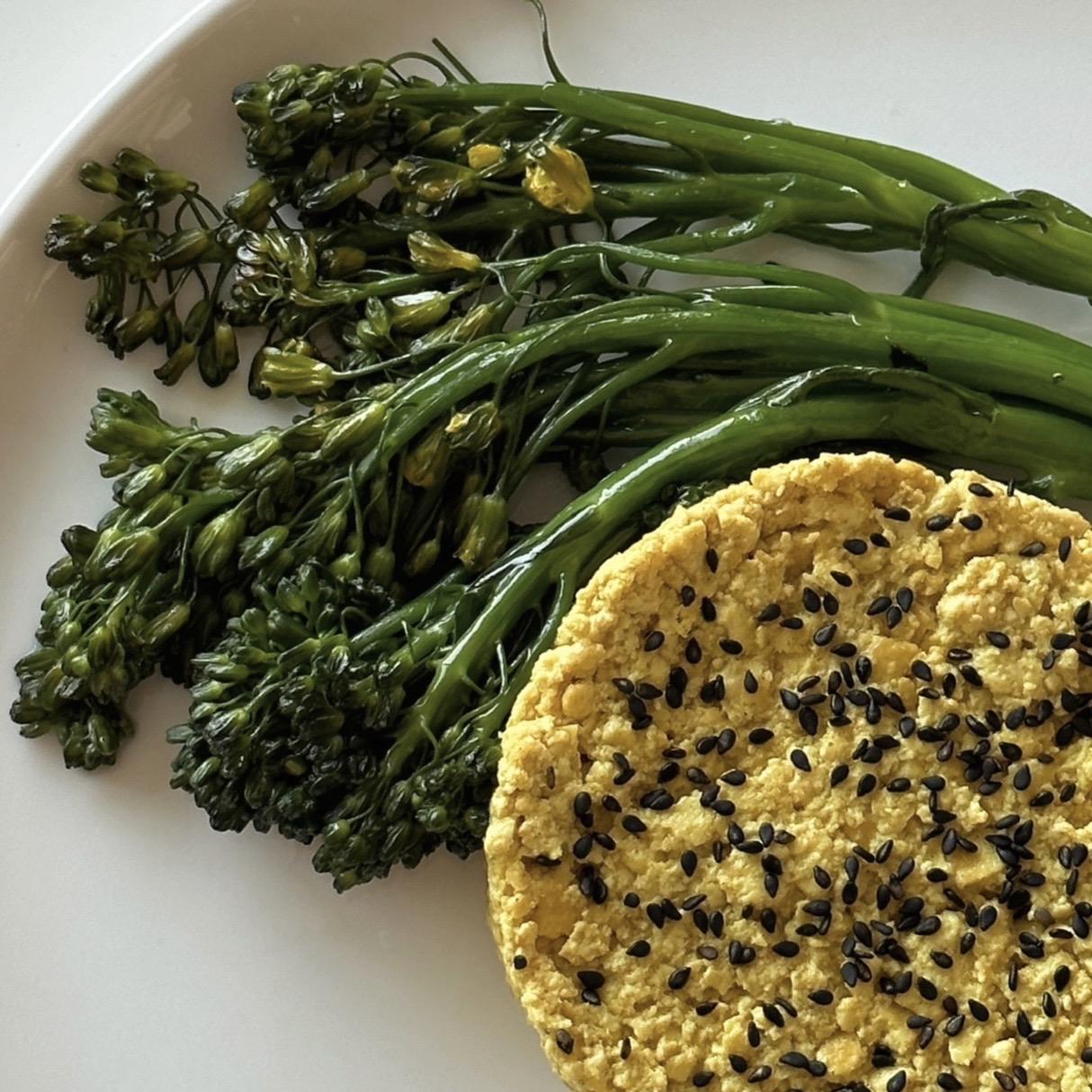
Soybeans and the foods made from them are the most reliable plant-based protein source, and nearly everything derived from soya beans inherits a well-rounded amino acid ratio. Tofu delivers roughly 10 to 20 grams of protein per half-cup serving depending on firmness, and takes on the flavor of whatever it's cooked with, from a weeknight stir fry to a breakfast scramble.5 Soy foods are also among the richer plant sources of leucine.
Tempeh, made from fermented whole soybeans, delivers close to 20 grams of soy protein per 100 grams, along with naturally occurring probiotics from fermentation and a distinctive nutty flavor.5 Research suggests soy-based foods like tempeh may support heart health as part of an overall varied diet, likely due to the fiber and healthy fats that come alongside the protein.3
Edamame, simply young soybeans, provides around 17 grams of protein per cooked cup and works well as a snack or a salad add-in. Soy milk is a useful protein source too, and an easy swap for anyone building smoothies or cereal around a plant-based diet.
Chia, Flax, and Other Seeds
Chia seeds deliver close to 4 grams of protein per tablespoon along with notable fiber and Omega-3 fatty acids. Hemp and chia seeds are unusual among seeds for carrying a well-rounded amino acid ratio entirely on their own. Flax seeds offer a similar protein contribution and are best ground for easier digestion and nutrient absorption.
Other seeds, including pumpkin seeds and sunflower seeds, are still a high-protein choice, running in the 5-to-9-gram-per-ounce range, though exact protein varies by type and roasting method.5 Their amino acid ratio leans a little further from optimal than hemp or chia, but that's a minor detail across a varied diet, not a reason to skip them. A handful of pumpkin seeds over a black bean salad, or a spoonful of nut butter on whole grain bread, adds protein and texture without any extra effort.
Nutritional Yeast and Blue-Green Algae
Nutritional yeast, often nicknamed nooch, is a deactivated yeast with a savory, cheese-like flavor that plant-based cooks have long used in place of parmesan. Two tablespoons of fortified nutritional yeast deliver roughly 8 to 9 grams of protein along with a meaningful dose of B vitamins, including vitamin B12, a nutrient that's otherwise hard to find in plant foods.5 6 Sprinkle it over popcorn, pasta, or roasted vegetables.
Spirulina, a blue-green algae most often consumed as a powder or tablet, provides around 8 grams of protein per 2 tablespoons. Along with hemp, chia, soy, and quinoa, spirulina is one of the few plant foods considered complete proteins on their own.6 Its flavor is strong, so it's easiest to start with a small amount blended into a smoothie. Because spirulina is sold as a supplement rather than a regulated food, it's worth mentioning to a healthcare provider before adding it, especially alongside other medications.
More Plant-Based Proteins to Build Meals Around
Legumes, grains, and other plant-based proteins round out the rest of a varied plate. None of these need a "partner" to be nutritionally worthwhile; they just carry a slightly different amino acid ratio than soy or hemp.
Beans, Lentils, and Garbanzo Beans
Beans and legumes are the backbone of most plant-based diets. A cup of cooked lentils delivers around 18 grams of protein, and black beans and garbanzo beans (chickpeas) each provide roughly 14 to 15 grams per cup, with baked beans offering a similar amount alongside a substantial dose of dietary fiber.5 Legumes run a little lower in methionine relative to an ideal amino acid pattern, but they're some of the best iron-rich plant-based foods available, and that's reason enough to prioritize them regardless of amino acid math.
Quinoa and Brown Rice
Quinoa stands apart from most cereals because its amino acid profile is well-rounded enough to be considered complete, delivering about 8 grams of protein per cooked cup, along with meaningful amounts of iron, magnesium, and fiber.5 Buckwheat, technically a seed rather than a true grain, shares that same well-rounded profile.
Brown rice and wild rice contribute a modest amount of protein per serving and are relatively low in lysine, as are most other cereals. That's not a reason to avoid them, just a reason to eat them alongside legumes over the course of a normal week rather than worrying about matching them at the same meal.
Seitan: The Wheat Meat With the Most Protein Per Bite
Seitan, sometimes called "wheat meat," is made by washing wheat flour dough to remove the starch and isolate the gluten, the main protein in wheat. Prepared seitan delivers roughly 20 to 25 grams of protein per 3-ounce serving, among the highest protein density of any plant-based food, though its amino acid ratio runs low in lysine, so pair it with soy foods.6 One thing to be aware of: because seitan is pure wheat gluten, it's unsuitable for anyone with celiac disease or gluten sensitivity, and it isn't gluten-free.
Protein Powders and Meat Substitutes
Protein powders concentrate plant protein into a convenient scoop, useful for a busy day or after a hard workout. Pea, soy, and hemp-based protein powders are common choices, and several are formulated with a well-rounded amino acid spread in a single serving.
Meat substitutes, including plant-based burgers, sausages, and nuggets, can be a convenient way to get more protein, but they're typically more processed than whole foods like tofu, tempeh, or legumes, and often carry more sodium and saturated fat. When choosing a meat substitute, checking the nutrition label is worth the extra ten seconds; when cooking from whole plant-based proteins, that step isn't necessary.
How Much Plant Protein Do You Actually Need?
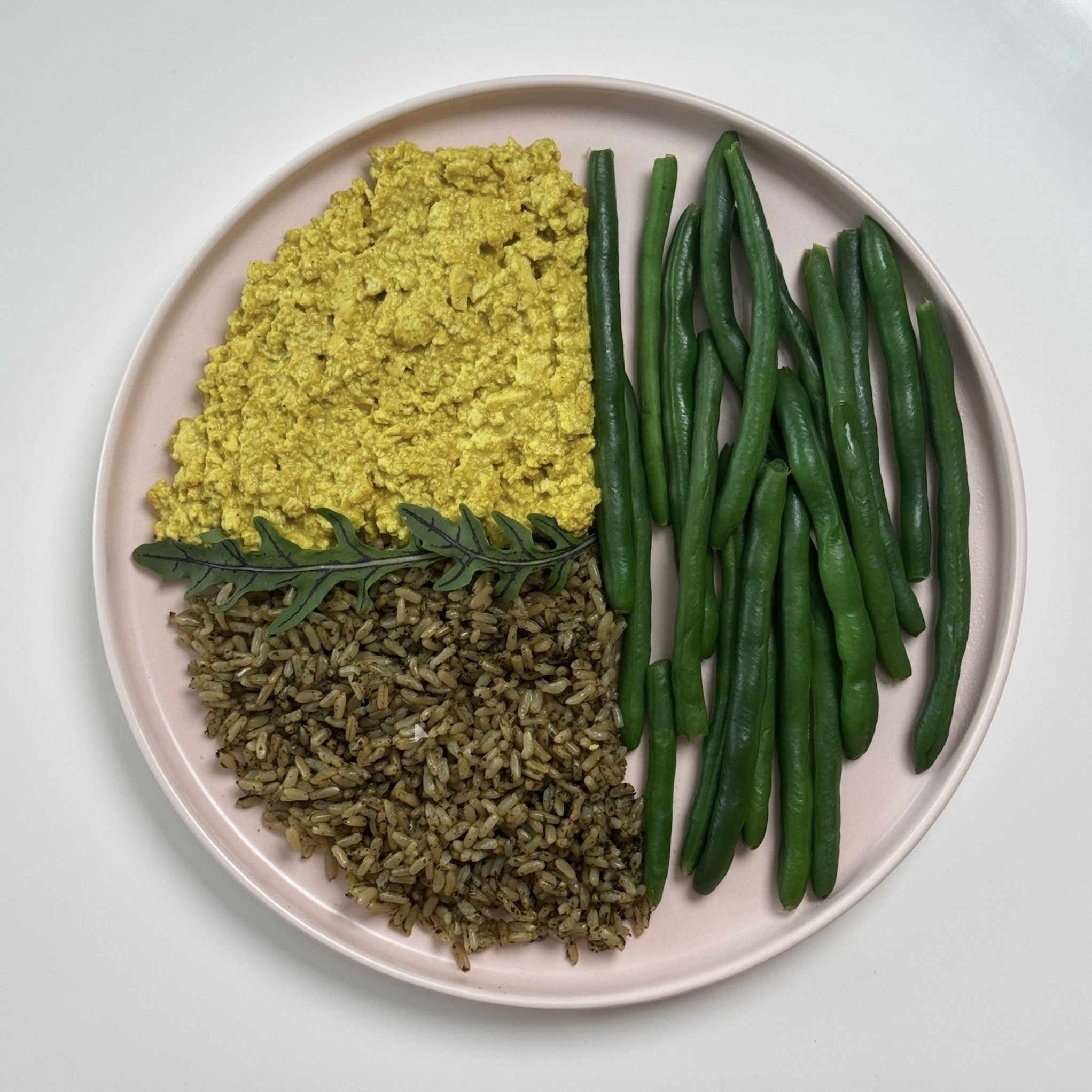
How much protein a person needs varies with body weight, activity level, and life stage, but the standard reference point is the RDA of 0.8 grams per kilogram of body weight per day.2 For a 60-kilogram (about 132-pound) adult, that works out to roughly 48 grams a day. For a 175-pound (about 79.4-kilogram) adult, it's about 63.5 grams a day, a number most people clear without trying.
Most athletes and highly active people benefit from somewhat more than the baseline RDA, closer to 1.2 to 1.6 grams per kilogram, mostly because the higher calorie intake needed to fuel training brings extra protein along with it.2 Very few people need to double or triple the baseline RDA the way some fitness content implies.
This is where the research on vegans specifically is worth calling out. Across several published studies, average protein intake among adults on a vegan diet runs from about 62 to 82 grams a day, comfortably above the RDA for most reference body weights, once every component of a meal, not just the obvious "protein" item on the plate, gets counted.1 Building muscle or maintaining it doesn't require animal protein specifically; total protein intake and calorie adequacy matter far more than the source.
Simple Ways to Get More Protein Without Overthinking It
Foods such as tofu, tempeh, edamame, lentils, beans, seitan, hemp seeds, and nutritional yeast are among the highest-protein vegan foods.
If you want more protein in your day, the easiest lever isn't a supplement. It's variety. Add a scoop of beans to a grain bowl, swap white bread for whole grain or Ezekiel bread, or stir a spoonful of nut butter into oatmeal. A handful of pumpkin seeds over a salad or a scoop of hemp seeds over yogurt adds extra protein with almost no planning.
Small, repeatable swaps like these add up to real numbers over a week without requiring anyone to track every gram. Rotating between soy foods, legumes, whole grains, nuts, and seeds across a normal week is the only habit that actually matters here; obsessing over any single meal isn't.
Why Plant-Based Protein Is a Good Source of More Than Protein
Plant-based protein sources tend to arrive with dietary fiber, healthy fats, and other nutrients that animal proteins don't carry in the same package, while running lower in saturated fat and carrying no dietary cholesterol.6 Choosing plant-based sources for even a few meals a week brings those extra nutrients along for free. The Academy of Nutrition and Dietetics notes that vegetarians and vegans, as a population, tend to have a reduced risk of certain health conditions linked to cholesterol levels and cardiovascular health, alongside lower rates of type 2 diabetes and certain cancers, likely reflecting the whole dietary pattern rather than protein alone.3 Swapping some processed meats for legumes, soy foods, or whole grains is one of the more consistently supported dietary shifts in this research, though individual results vary and this isn't a substitute for personalized medical guidance.
The Ethics of Plant-Based Eating
Beyond the amino acid math, most people who shift toward a plant-based diet are motivated by more than protein content. Producing plant protein is markedly more resource-efficient than producing the same amount of animal protein: converting plants into edible animal protein can take up to roughly 49 pounds of plant material for every pound of animal protein produced, depending on species, and a gram of protein from beef carries a carbon footprint at least 7.5 times higher than the same gram from a plant source.2 Shifting even a quarter of total protein intake from animal to plant sources has been modeled to cut associated greenhouse gas emissions by roughly 40 percent.2
For many people, that resource footprint sits alongside a values-based discomfort with how animals are raised and processed at the scale required to feed a country the size of the United States. Healthiest Chef doesn't expect every reader to adopt a fully plant-based diet overnight, or ever, but we do think the case for eating more plants, for the planet and for the animals raised in industrial agriculture, is worth understanding clearly, separate from any argument about protein adequacy. The nutrition science stands on its own; the ethics are simply a second, independent reason a lot of people find compelling.
The Bottom Line on Plant-Based Protein Sources
The idea that plant based protein sources are "incomplete" without careful combining is outdated. Every plant food contains all nine essential amino acids; some, like soy, hemp, chia, quinoa, and nutritional yeast, happen to carry an especially well-rounded ratio, while grains and legumes each run a little lower in one particular amino acid without being deficient in any meaningful sense.
A varied plant-based diet, eaten across a normal week rather than engineered meal by meal, comfortably covers protein and amino acid needs for the vast majority of people, athletes included. Building varied, satisfying meals from those foods is exactly the kind of practical skill the Become Your Own Healthiest Chef online course teaches, alongside dozens of other everyday cooking and nutrition fundamentals. What's left, for a lot of people, is a second and separate reason to eat this way: the resource footprint and animal welfare case for plant-based eating stand on their own, apart from the protein question entirely.
Turn this into dinner
Knowing the foods is the easy part.
Become Your Own Healthiest Chef turns the science on this page into chef-led video lessons, weekly meal plans, and shopping lists built for real kitchens.
Start the Course →About Healthiest Chef
Healthiest Chef is a premium nutrition education platform built for health-conscious adults who want more energy and food they genuinely enjoy, without needing a nutrition degree to get there. The platform draws on world-class experts, including Blue Zones founder Dan Buettner and UCLA gut-brain researcher Dr. Emeran Mayer, turning research like what's covered here into meals a complete beginner can cook in about 20 minutes.
Curious how much toxic load is already hiding in your kitchen? Take the free Toxic Load Quiz to find out.
Not ready to commit?
Start here instead.
Take the free Non-Toxic Living Masterclass and get your first step toward eating and living better, on your terms.
Get the Free Masterclass →Frequently Asked Questions
Do plant foods really contain all nine essential amino acids? +
What are the best plant based protein sources for a well-rounded amino acid profile? +
Do vegans need to combine foods at each meal to get enough protein? +
How much protein does a vegan need per day? +
References
Last reviewed 1 August 2026.
- Mariotti F, Gardner CD. Dietary Protein and Amino Acids in Vegetarian Diets: A Review. Nutrients. 2019;11(11):2661. https://doi.org/10.3390/nu11112661
- Gardner CD, Hartle JC, Garrett RD, Offringa LC, Wasserman AS. Maximizing the intersection of human health and the health of the environment with regard to the amount and type of protein produced and consumed in the United States. Nutrition Reviews. 2019;77(4):197-215. https://doi.org/10.1093/nutrit/nuy073
- Melina V, Craig W, Levin S. Position of the Academy of Nutrition and Dietetics: Vegetarian Diets. Journal of the Academy of Nutrition and Dietetics. 2016;116(12):1970-1980. https://doi.org/10.1016/j.jand.2016.09.025
- Gardner CD. Food and Nutrition (Stanford presentation). https://dci.stanford.edu/wp-content/uploads/2017/12/Food-and-Nutrition_DCI-Stanford-Oct-10-2018-Gardner-to-share.pdf
- U.S. Department of Agriculture, Agricultural Research Service. FoodData Central. https://fdc.nal.usda.gov/
- Kane A. Spotlight on Plant Based Proteins. Massachusetts General Hospital, Patient Education. https://www.massgeneral.org/news/article/spotlight-on-plant-based-proteins
MEET THE AUTHORS

Natalie Golba
Natalie Golba, co-founder of Healthiest Chef, serves as the platform’s lead nutrition and culinary authority. A celebrity chef and certified nutrition educator, Natalie has cooked for NBA professionals and elite athletes, contributed recipes to the Blue Zones Cookbook, and earned advanced nutrition credentials from Harvard Medical School, Stanford University School of Medicine, and Cornell University.



Irina Swan
Irina Swan is a wellness entrepreneur and co-founder of Healthiest Chef with more than 12 years of experience building consumer health products. After overcoming a decade-long struggle with chronic gut health issues through nutrition and lifestyle interventions, she co-founded Healthiest Chef to help make science-backed nutrition accessible and actionable for everyday people.
The newsletter
Never miss an article like this one
Evidence-based nutrition, non-toxic living, and chef-tested recipes, delivered as we publish them.
No spam, ever. Unsubscribe anytime.